

How to Extend the Life of Your Drainage System
Maintaining your drainage system isn’t just about avoiding blockages; it’s about protecting your property, saving…
Read more
24 hr Emergency Callout

Blog
Most people only think about drains when something goes wrong. A slow-draining sink, a blocked toilet, or an unpleasant smell suddenly turns an invisible system into an urgent problem. Yet beneath every home and street lies one of the most important infrastructures in modern society.
Understanding drainage system facts is not just interesting; it is practical. The more you know about how drains work, their history, and the risks involved, the better prepared you are to prevent costly damage and respond quickly when issues arise.
At its core, drainage is the controlled removal of wastewater and excess surface water through a network of pipes, channels, and underground systems. Without it, properties would face flooding, contamination, and serious health hazards. This makes drainage systems one of the most critical yet overlooked parts of any property.
A drainage system is designed to transport wastewater safely away from homes and buildings. It includes soil pipes, waste pipes, underground drains, and sewers that connect to larger municipal networks.
From an SEO and user-intent perspective, people searching for drainage systems often fall into two categories:
This is where informative content plays a powerful role. By combining interesting facts with practical insights, you not only educate users but also guide them towards services when needed.
For example, many homeowners realise the importance of drainage only when they face recurring blockages. In such cases, professional inspection methods, such as drain surveys, become essential for identifying hidden issues before they escalate.
One of the earliest drainage system facts dates back to Ancient Egypt. Water played a central role in daily life, religion, and hygiene. To manage wastewater and maintain cleanliness, early forms of drainage systems were developed using basic channels and pipes.
These early innovations laid the groundwork for modern sanitation. Even at this stage, civilisations understood that poor drainage could lead to disease and contamination.
On the island of Crete, the Minoans built remarkably advanced drainage systems within their palaces. The Palace of Knossos featured multiple drainage networks that managed wastewater efficiently using stone-built sewers.
What makes this impressive is not just the scale, but the design. These systems included flushing mechanisms and ventilation, concepts that are still relevant in modern drainage engineering.
When discussing drainage system facts, the Romans cannot be ignored. They developed one of the most famous sewer systems in history, the Cloaca Maxima.
Originally built as a drainage canal, it evolved into a large-scale sewer system that is still partially functional today. Roman engineering introduced structured waste management, aqueducts, and public sanitation on a scale never seen before.
By the 4th century, Rome had:
This level of infrastructure demonstrates how essential drainage systems were even in ancient urban planning.
The modern toilet owes much to Alexander Cumming, who invented the S-trap in 1775. This design prevents sewer gases from entering homes, a feature still used today.
Without this innovation, indoor sanitation would be far less hygienic and far more dangerous.
Joseph Bramah improved toilet designs, making them more practical and reliable. Later, Thomas Twyford introduced the first one-piece ceramic toilet, which became the standard design across the UK.
These developments transformed sanitation from a luxury into a necessity, shaping modern living standards.
Modern drainage systems are far more complex than most people realise. They are designed to handle different types of water, including:
These systems rely on gravity, pipe gradients, and pressure to move water efficiently. However, even a small disruption can cause significant problems.
Common issues include:
In many cases, these problems are hidden underground, which is why advanced inspection methods such as CCTV drain surveys are used to diagnose issues accurately without excavation.
One of the most overlooked drainage system facts is how preventable most problems actually are. Regular maintenance can significantly reduce the risk of:
Ignoring early warning signs such as slow drainage or unpleasant odours can lead to severe blockages. In urgent situations, professional emergency drain unblocking services are often required to restore normal function quickly.
Drainage engineers regularly encounter unexpected and sometimes shocking items during inspections and cleaning.
Some of the most common and unusual discoveries include:
In more extreme cases, engineers have reported:
These findings highlight a key issue: many drainage problems are caused by improper usage rather than system failure.
Understanding drainage system facts also means recognising the risks associated with neglect.
Poor drainage can lead to:
For property owners, this translates into financial risk. What starts as a minor blockage can escalate into major repair work if not addressed promptly.
Knowing when to act is critical. You should consider professional help if you notice:
These symptoms often indicate deeper issues within the drainage system that cannot be resolved with DIY methods.
Professional services provide:
Another important but often ignored fact is the impact of drainage on property value.
A well-maintained drainage system:
On the other hand, unresolved drainage problems can lead to failed inspections and reduced property value.
This is why many homebuyers now request drain inspections before completing a purchase.
Modern technology is transforming how drainage systems are managed and maintained.
Innovations include:
These advancements allow for faster diagnosis, minimal disruption, and more sustainable infrastructure.
As urban areas continue to grow, efficient drainage systems will become even more critical in managing water flow and preventing flooding.
Drainage may not be the most glamorous topic, but it is one of the most essential systems in any property. From ancient civilisations to modern engineering, drainage systems have evolved to protect health, property, and the environment.
Understanding drainage system facts is not just about curiosity. It is about awareness, prevention, and making informed decisions when problems arise.
Whether it is a minor blockage or a major issue, taking action early can save time, money, and stress. With the right knowledge and professional support, maintaining a reliable drainage system becomes far easier and far more effective.
Maintaining your drainage system isn’t just about avoiding blockages; it’s about protecting your property, saving…
Read more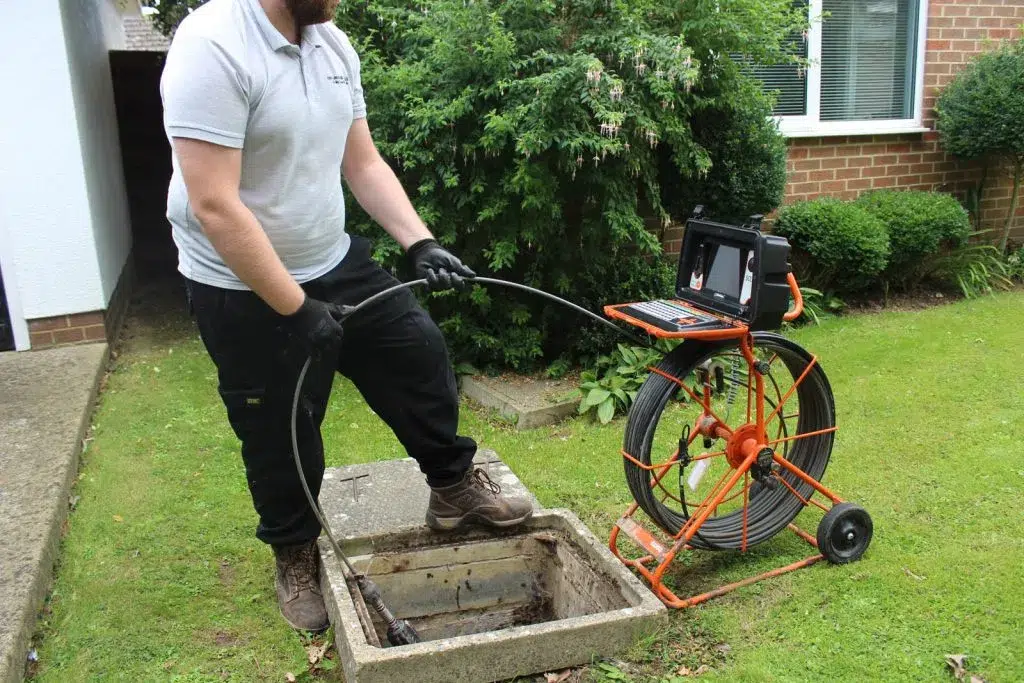
When your drains start acting up, slow-draining sinks, unpleasant smells, or recurring blockages, the real…
Read more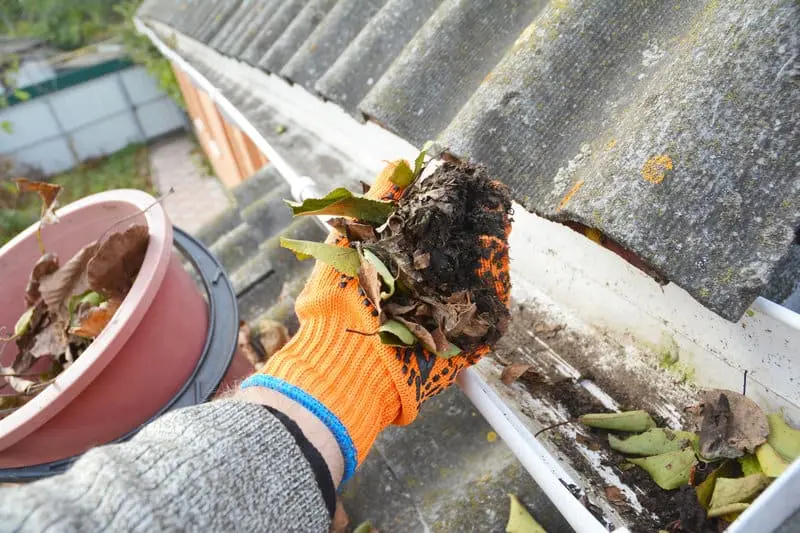
Keeping your gutters clean year-round is one of the most effective ways to protect your…
Read more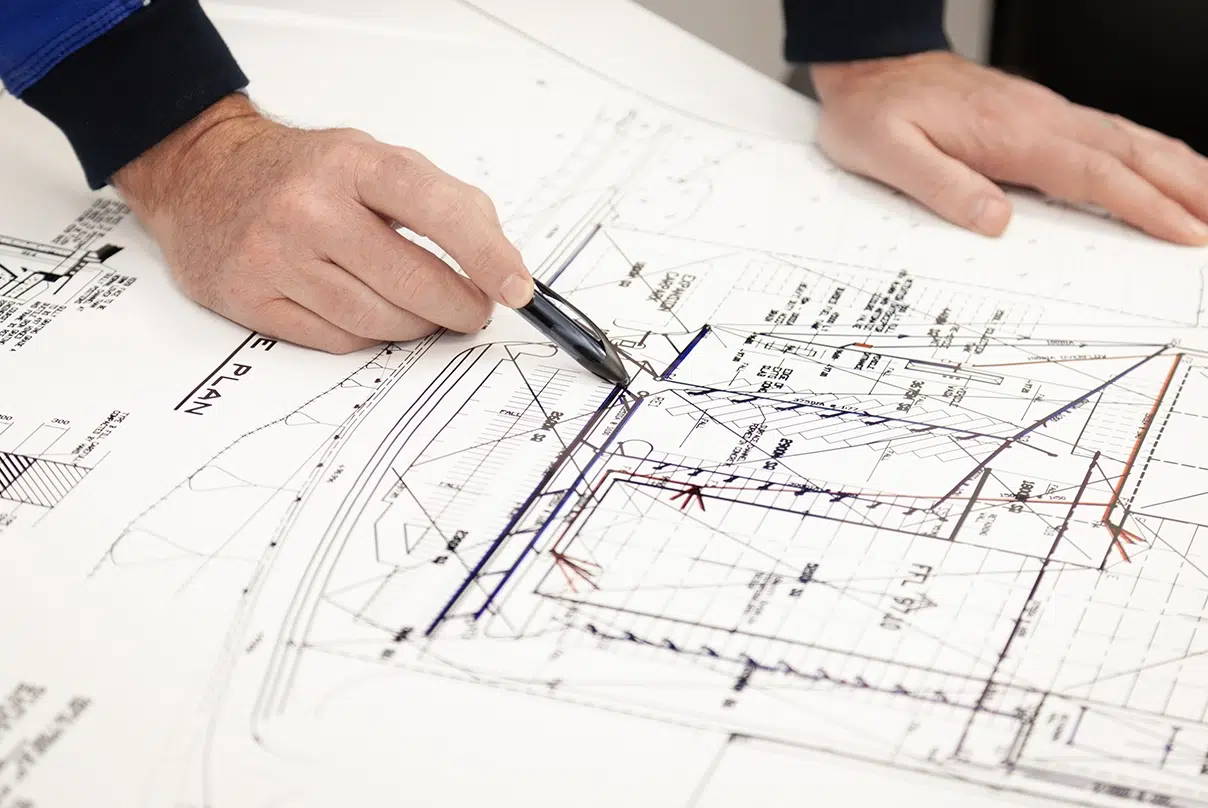
When it comes to maintaining a healthy drainage system, most property owners focus on obvious…
Read more