

How to Extend the Life of Your Drainage System
Maintaining your drainage system isn’t just about avoiding blockages; it’s about protecting your property, saving…
Read more
24 hr Emergency Callout

Blog
The history of Bognor Regis is far more fascinating than most people realise. What appears today as a peaceful seaside destination in West Sussex has a deep and layered past shaped by Saxon origins, ambitious development, royal influence, and modern transformation.
Understanding the evolution of Bognor Regis is not just about historical curiosity. It provides valuable context about how infrastructure, population growth, and urban planning have shaped the town. For property owners and residents, this history also explains why drainage systems, maintenance, and modern services play such a critical role in the area today.
As a trusted local provider, Coastal Drains continues to support homes and businesses across the region with reliable drainage solutions, helping maintain the town’s infrastructure as it continues to grow.
The earliest record in the history of Bognor Regis dates back to around AD 680, when it was referred to as “Bucganora,” meaning Bucge’s shore. This name is believed to be linked to a Saxon woman named Bucge, making it one of the few places in Sussex named after a woman.
At this time, Bognor was nothing more than a small coastal settlement. The local economy relied on simple trades such as fishing and small-scale coastal activity. Smuggling was also common along the South Coast, particularly due to the town’s location and relatively quiet shoreline.
For centuries, Bognor remained a modest hamlet with little development. However, its coastal position would later become its greatest asset.
The transformation of Bognor into a seaside town began in the late 18th century with the arrival of Richard Hotham, a wealthy London businessman.
During this period, coastal towns were becoming increasingly popular due to the belief that seawater had healing properties. This trend led to rapid development in places such as Brighton and Eastbourne.
Recognising this opportunity, Hotham set out to transform Bognor into an exclusive and refined seaside resort. His vision was to create a destination that avoided the overcrowding and disorder seen in other coastal towns.
Hotham’s investment in Bognor was extensive and strategic. He purchased large areas of land, including the town’s only pub, which he converted into a hotel. This marked the beginning of structured tourism in the area.
He also developed:
The first official season opened in 1791, attracting affluent visitors who rented properties during the summer months.
This period represents a key milestone in the Bognor Regis history timeline, marking the shift from a rural settlement to a planned resort town.
One of the most important moments in the history of Bognor Regis came in the early 20th century.
In 1929, King George V stayed in the town while recovering from illness. Following his visit, permission was granted to add the suffix “Regis,” meaning “of the King.”
This royal endorsement significantly boosted the town’s status and recognition. It also answered a common question: how Bognor Regis got its name.
Royal visits had long been associated with increased popularity for seaside resorts, and Bognor was no exception.
Throughout the 19th century, Bognor Regis continued to grow steadily. Several key developments shaped the town during this period:
The arrival of the railway in 1864 was particularly significant. It made Bognor far more accessible, bringing in visitors from London and other major cities.
Improved transport links played a crucial role in turning Bognor into a recognised coastal destination.
As the town expanded, so did the need for better infrastructure. Improvement Commissioners were introduced to manage essential services such as:
These developments were critical in maintaining living standards and supporting population growth.
From a modern perspective, this highlights the early importance of organised waste and drainage systems. Today, these systems are far more advanced, with services such as blocked drains in Bognor Regis playing a key role in maintaining property safety and hygiene.
The 20th century brought both growth and challenges to Bognor Regis.
After the First World War, housing development increased rapidly, particularly along the coastline. Public infrastructure improved with the addition of hospitals, memorials, and civic buildings.
However, the town also faced significant hardship during the Second World War. Bombing caused widespread damage to homes and infrastructure, resulting in casualties and long-term rebuilding efforts.
Post-war redevelopment focused on improving living conditions. Surveys revealed that many homes lacked basic facilities such as indoor bathrooms and toilets, leading to major improvements in housing standards.
During the 1960s and 1970s, Bognor Regis experienced a decline. This was largely due to changes in travel trends, as more people began holidaying abroad instead of visiting traditional UK seaside resorts.
This shift had a direct impact on the local economy, leading to reduced tourism and slower growth.
Despite these challenges, the town adapted over time, diversifying its economy and modernising its infrastructure.
Today, Bognor Regis is home to around 60,000 residents and remains a popular destination on the South Coast.
Modern Bognor Regis offers:
Understanding Bognor Regis past and present provides valuable insight into how the town has evolved and adapted over time.
One of the key takeaways from studying the history of Bognor Regis is the importance of infrastructure in supporting growth and maintaining quality of life.
As towns expand, systems such as drainage become increasingly important. Older properties, in particular, may still be connected to ageing pipework or outdated systems.
Modern solutions such as CCTV drain surveys allow professionals to inspect underground systems efficiently, identifying issues before they lead to costly damage.
This is especially important in coastal areas, where environmental factors can place additional pressure on drainage systems.
To summarise, here are some important and interesting facts about Bognor Regis, UK:
These points highlight the resilience and adaptability of the town.
The history of Bognor Regis is a story of transformation, ambition, and resilience. From a quiet Saxon village to a recognised seaside resort, the town has continually evolved in response to social, economic, and technological changes.
For homeowners and businesses, this history also reinforces the importance of maintaining modern infrastructure. Reliable drainage systems, regular inspections, and professional services are essential in protecting properties and ensuring long-term stability.
By understanding the past, it becomes easier to make informed decisions about the future, whether that involves property maintenance, investment, or simply appreciating the rich heritage of Bognor Regis.

Maintaining your drainage system isn’t just about avoiding blockages; it’s about protecting your property, saving…
Read more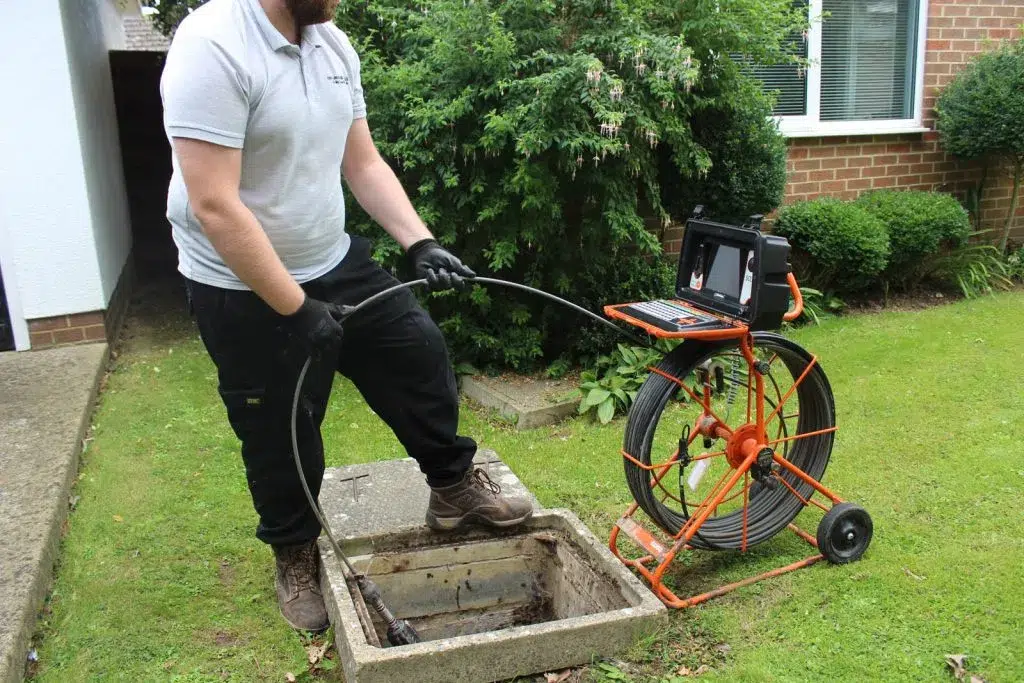
When your drains start acting up, slow-draining sinks, unpleasant smells, or recurring blockages, the real…
Read more
Keeping your gutters clean year-round is one of the most effective ways to protect your…
Read more
When it comes to maintaining a healthy drainage system, most property owners focus on obvious…
Read more