

How to Extend the Life of Your Drainage System
Maintaining your drainage system isn’t just about avoiding blockages; it’s about protecting your property, saving…
Read more
24 hr Emergency Callout

Blog

Foul water drainage is one of the most critical systems in any property. Without it, wastewater from kitchens, bathrooms, and utility areas would have nowhere to go, potentially causing serious hygiene issues and costly damage. At Coastal Drains, we provide expert guidance to help homeowners across Sussex maintain their foul water drainage systems, whether connected to the mains or managed privately with a septic tank or domestic sewage treatment plant.
If you suspect any problems with your foul water drainage, from blockages to broken pipes, our qualified engineers can visit your property, identify the issue, and implement effective solutions with minimal disruption.
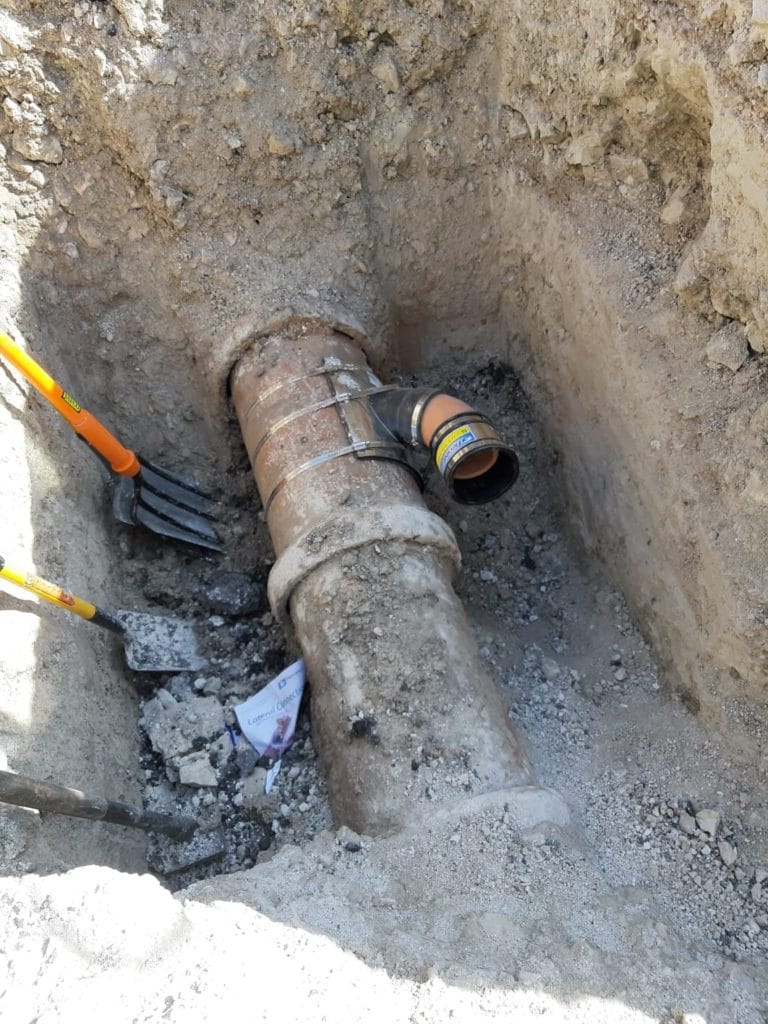
Foul water drainage is the system of pipes that carries wastewater away from your property. This includes water from:
In properties connected to the public sewer, this waste is transported via mains foul water drainage to a sewage treatment plant for safe processing.
For homes not connected to the mains, foul water is typically managed with:
Proper maintenance of these private systems is essential. Failing to empty and clean tanks regularly can result in blockages, unpleasant odours, or expensive damage. Coastal Drains provides full support for private systems, ensuring your foul water drainage operates safely and efficiently.
Our septic tank services include emptying and maintenance for properties across Sussex.
It’s important to understand that foul water drainage is entirely separate from surface water drainage.
Foul Water Drainage:
Surface Water Drainage:
Keeping these systems separate prevents:
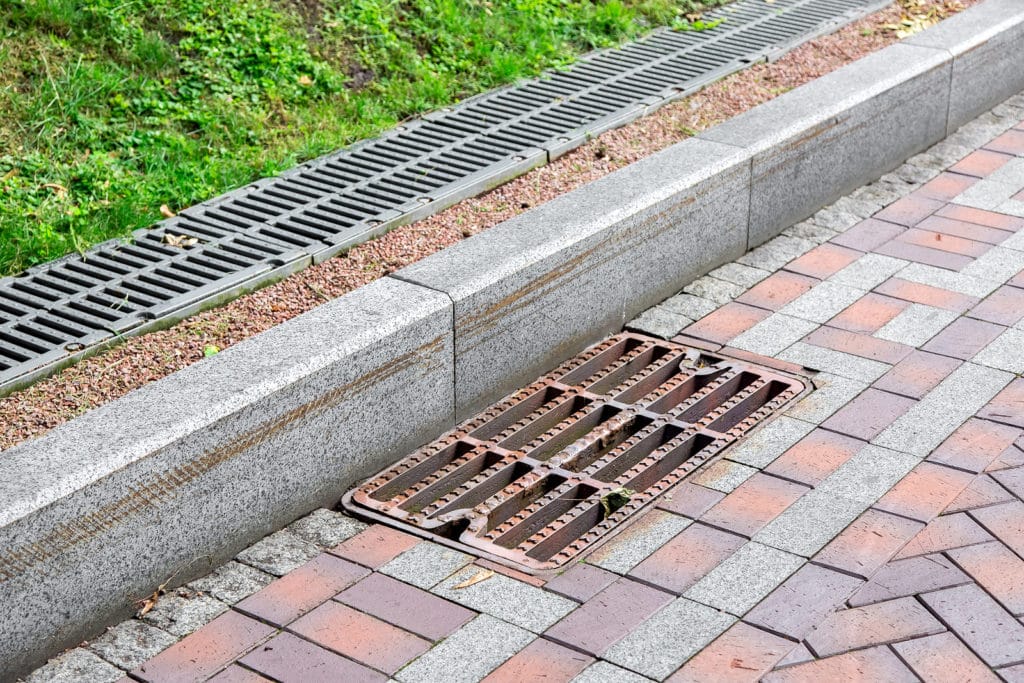
In many older properties, combined drainage systems exist, mixing foul and surface water. Additionally, recent extensions or renovations may result in misconnections, where your drains feed into the wrong sewer.
If you suspect issues, our drain inspection services can detect misconnections and provide solutions.
The UK Building Regulations 2010 set out an “order of priority” for discharging foul water:
Property owners are required to attempt the highest option first, moving down the list only if connection isn’t possible.
Coastal Drains can assist homeowners in connecting private systems to mains foul water drainage, upgrading older systems to comply with regulations.
Finding your foul water drains may involve checking for:
Safety note: Never enter a drain chamber yourself. It can be extremely dangerous. Always ensure lids are securely replaced after inspection.
Professional mapping of your drains is recommended. Using advanced CCTV technology, our teams can provide accurate plans for your property, helping you locate all access points safely and efficiently.
For full property drain mapping, we offer CCTV surveys and drain tracing across Sussex.
Problems can arise due to:
Early intervention is key. A professional drain survey in Brighton or Worthing can pinpoint issues before they escalate into costly repairs.
Proper maintenance keeps your drains functioning efficiently and helps avoid emergencies. Key steps include:
Our sewage treatment plant maintenance services ensure private systems operate safely.
Foul water drainage issues require trained professionals to fix effectively. Our approach includes:
Internal links:
Proper slope, or “fall,” in foul water drainage pipes is essential to ensure waste flows efficiently towards the sewer or treatment system. Incorrect falls can result in:
Professional installation ensures correct gradients are achieved. At Coastal Drains, we provide expert drain installation services tailored to UK property standards.
Q1: What is a foul water drainage system?
A: It’s the network of pipes that removes wastewater from inside your home, directing it either to a public sewer or private treatment system.
Q2: Can foul water drainage be combined with surface water drainage?
A: It shouldn’t be. Combined systems can cause pollution and backflow issues. Separate systems are required for safety and regulatory compliance.
Q3: How often should septic tanks be emptied?
A: Typically every 1-3 years, depending on usage. Coastal Drains provides professional septic tank emptying services in Sussex.
Q4: What should I do if my drains are blocked?
A: Avoid using chemical drain cleaners, which can worsen damage. Call a professional for safe and effective emergency drain unblocking.
Q5: How do I know if my foul water drains are connected correctly?
A: Misconnections can be detected with a professional CCTV drain survey. Coastal Drains provides full drain tracing and inspection services.
Foul water drainage is a vital part of any UK home’s plumbing system. Proper maintenance, correct installation, and timely professional intervention ensure your property stays safe, hygienic, and compliant with regulations.
Coastal Drains offers expert services across Sussex, from mains foul water drainage connections to private septic tank maintenance. If you need assistance with blockages, repairs, or inspections, our team is ready to provide fast, professional, and reliable solutions.
For all foul water drainage needs, trust Coastal Drains to keep your property running smoothly.
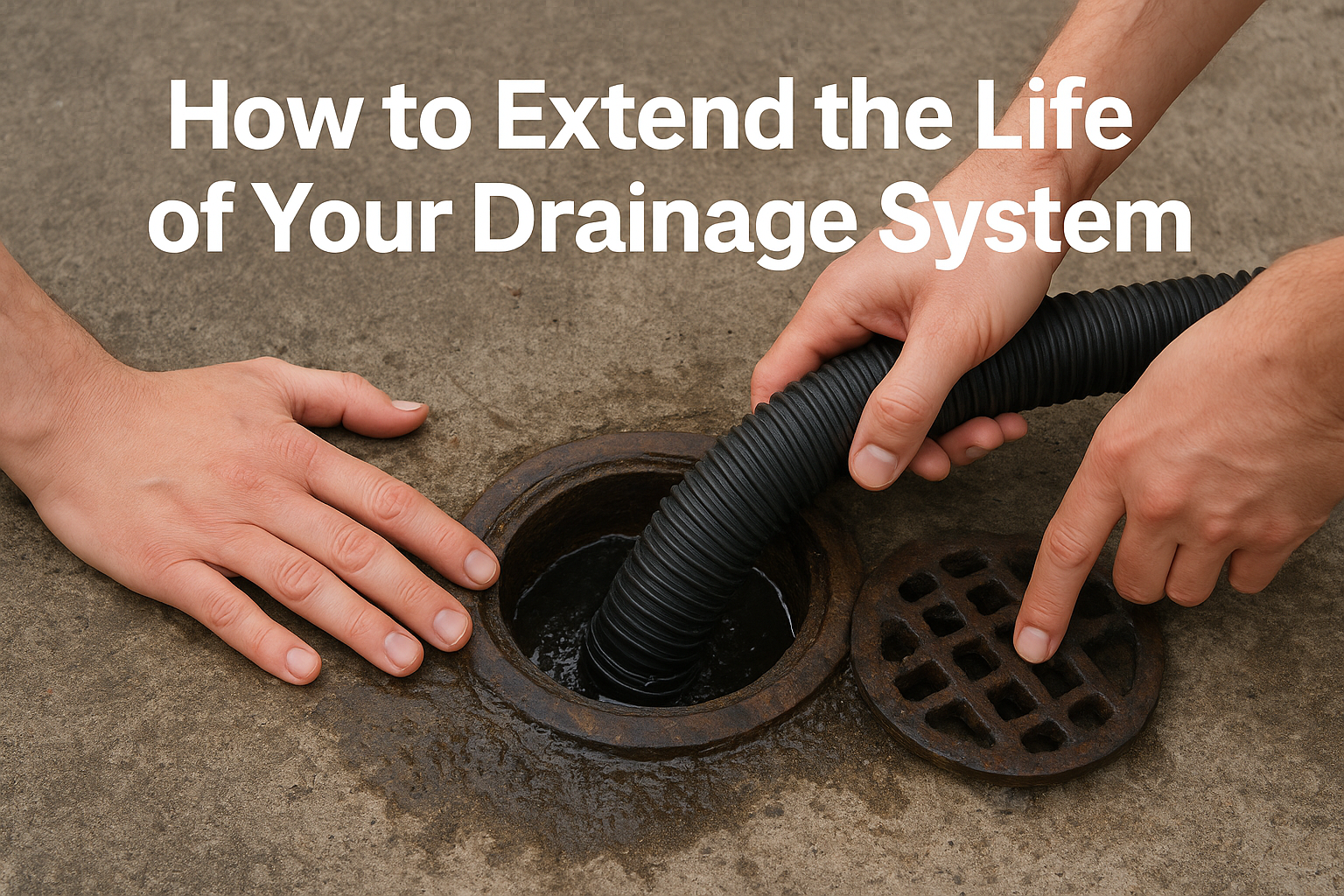
Maintaining your drainage system isn’t just about avoiding blockages; it’s about protecting your property, saving…
Read more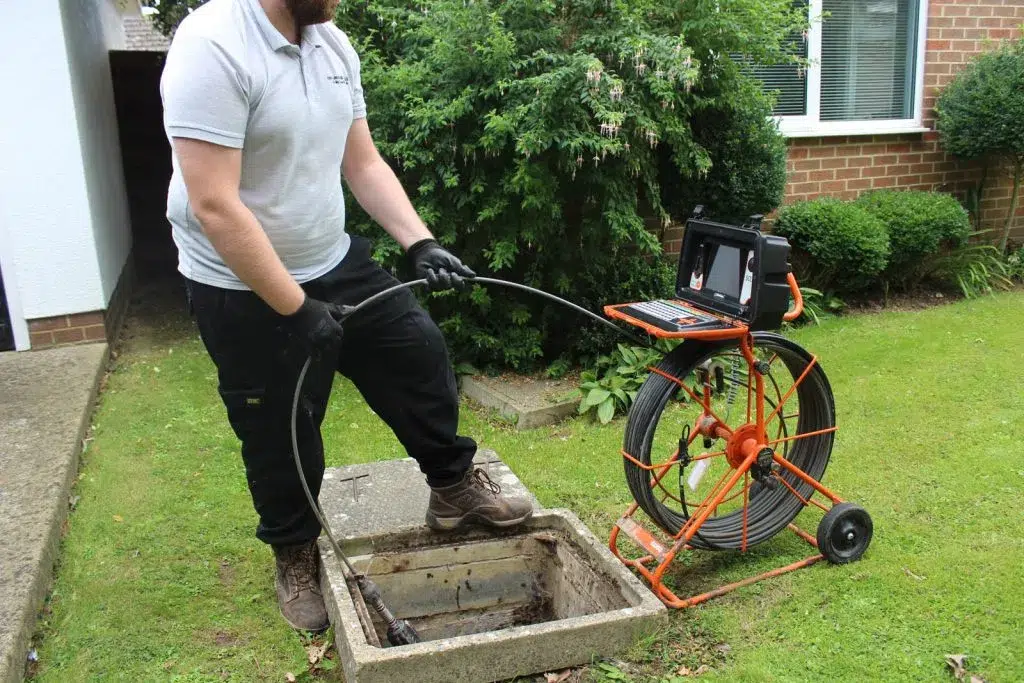
When your drains start acting up, slow-draining sinks, unpleasant smells, or recurring blockages, the real…
Read more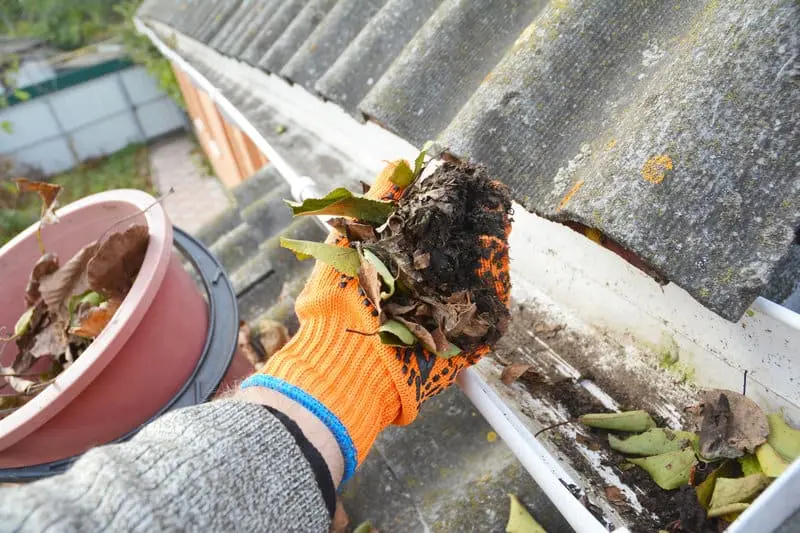
Keeping your gutters clean year-round is one of the most effective ways to protect your…
Read more
When it comes to maintaining a healthy drainage system, most property owners focus on obvious…
Read more