

Best online casinos for real money
♛TOP ONLINECASINOS ≡ WelcomePokerMy AccountTips × Best online casinos for real money Curious about finding…
Read more
24 hr Emergency Callout

Blog
Gutter problems are one of the most common causes of property damage in UK homes. Yet many tenants and landlords are unsure who should deal with cleaning and maintenance. If you are asking who is responsible for cleaning gutters, the landlord or the tenant in the UK, you are not alone.
In Sussex and across the UK, blocked or damaged gutters can quickly lead to damp walls, leaks, and even structural issues. What starts as a simple build-up of leaves can turn into a costly repair if ignored.
Understanding your legal responsibilities and knowing when to act can prevent disputes, avoid damage, and save money. In this guide, we explain clearly what the law says, what tenancy agreements mean in practice, and how both landlords and tenants can handle gutter maintenance properly.
The starting point is the Landlord and Tenant Act 1985, which outlines who is responsible for maintaining a property.
Under Section 11 of the Act, landlords are legally responsible for:
This means that, in most cases, gutters are the landlord’s responsibility when it comes to repairs and proper functioning.
If a gutter is:
Then the landlord must fix the issue.
However, the law also expects tenants to behave in a “tenant-like manner”. This is where confusion often begins.
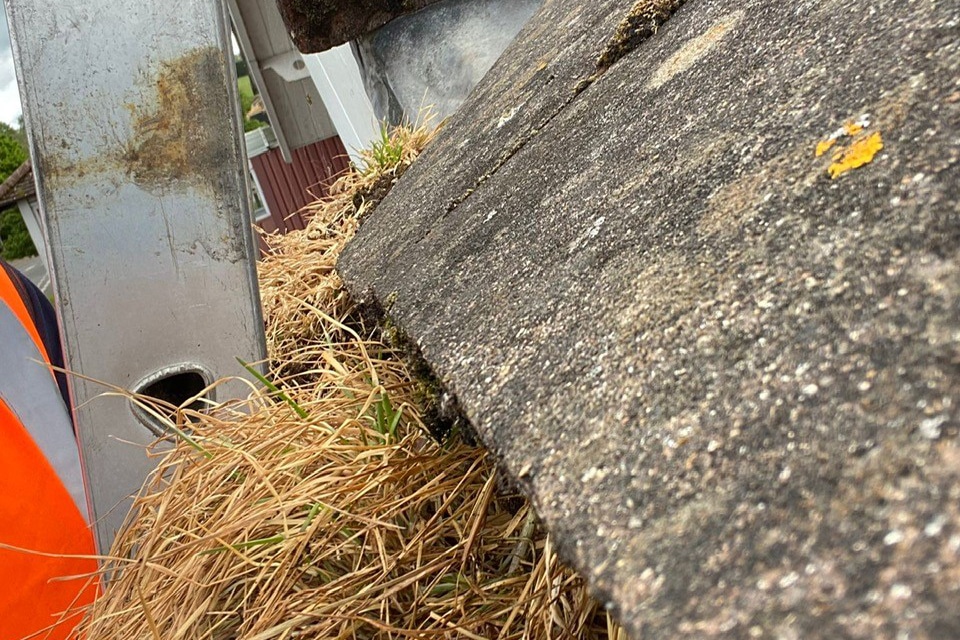
This is one of the most common questions: Are gutters the landlord’s responsibility?
The simple answer is:
Tenants are expected to carry out minor, everyday maintenance tasks. This can include:
Gutter cleaning sits in a grey area. It is not always clearly defined unless written in the tenancy agreement.
So, is cleaning gutters a tenant’s responsibility?
It depends largely on the tenancy agreement.
A tenant may be responsible for cleaning gutters if:
For example, a landlord may include gutter cleaning as part of general upkeep, similar to:
In these cases, tenants may be expected to:
Tenants are NOT responsible when:
In these situations, the landlord must arrange professional help.
Gutters play a vital role in directing rainwater away from your property. In areas like Sussex, where rainfall can be heavy and frequent, blocked gutters quickly cause problems.
If gutters are not maintained, it can lead to:
Problems with rainwater drainage systems are especially common when gutters are neglected. Poor water flow can overload underground pipes and lead to bigger drainage failures.
Understanding the cause helps determine responsibility.
Common causes include:
In some cases, blocked gutters can contribute to wider issues like a blocked outside drain, especially when water cannot flow properly away from the property.
Tenants play an important role in identifying problems early.
Look out for:
If you notice these signs, report them immediately. Ignoring them can lead to more serious issues such as a blocked soakaway, which can cause water to pool around the property.
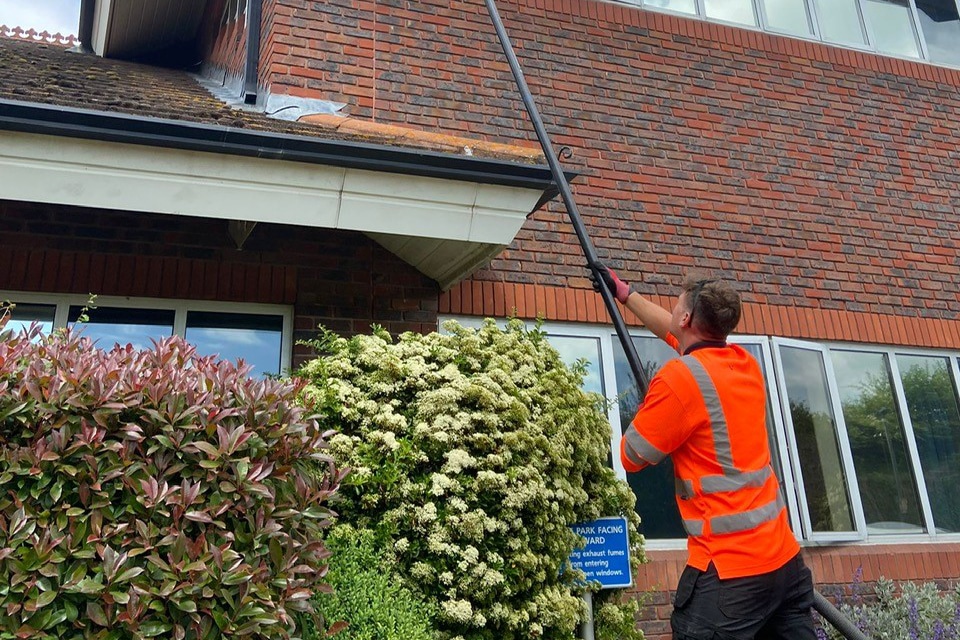
Technically, yes. But it depends on safety and practicality.
Tenants may clean gutters if:
Basic steps include:
However, this is only suitable for simple cases.
Cleaning gutters can be dangerous:
This is why many landlords prefer to use professionals.
Professional help is recommended when:
Professional services can also check for deeper issues such as drainage faults or the need to clear blocked drains that may be connected to the gutter system.
Landlords can reduce disputes and damage by taking a proactive approach.
Preventative maintenance is far cheaper than dealing with major repairs later, such as those involving collapsed drain repair cost.
Tenants should focus on basic care and communication.
If a tenant notices issues with indoor plumbing, such as problems with appliances, they should also address them early. For example, learning how to fix washing machine not draining can prevent water from backing up into drainage systems.
The tenancy agreement is key.
It should clearly state:
If the agreement includes gutter cleaning, tenants should follow it. If not, responsibility usually falls back to the landlord.
Gutters are only one part of a property’s drainage system.
They connect to:
Poor maintenance can affect the entire system, including surface water drainage systems. This is why proper upkeep is essential.
In some cases, homeowners may need to review drainage planning to understand how water flows around their property.
Yes, and quickly.
Ignoring gutter issues can result in:
In extreme cases, it may even affect external systems and increase the cost of connecting to mains water if major work is required.

Costs vary depending on:
Typical UK costs:
Professional cleaning often includes inspection, which can identify issues early.
Pros:
Cons:
Pros:
Cons:
For most landlords, professional cleaning is the safer and more reliable option.
Only if the tenancy agreement states it. Otherwise, landlords are generally responsible for maintenance and repairs.
Tenants may be expected to carry out basic upkeep, but not major cleaning or repairs unless agreed in writing.
Blocked gutters can cause dampness, leaks, structural damage, and drainage problems.
Only if it is clearly stated in the tenancy agreement and the task is reasonable and safe.
The landlord is responsible for repairs unless the damage was caused by the tenant’s negligence.
So, who is responsible for cleaning gutters, the landlord or the tenant in the UK?
In most cases:
The key is clarity. A well-written tenancy agreement and good communication can prevent confusion and disputes.
Ignoring gutter maintenance is never a good idea. Small issues can quickly turn into serious damage affecting both the property and the people living in it.
If the issue persists or you are unsure, professional help can prevent costly damage later.
For trusted support and expert drainage services, homeowners and landlords across Sussex rely on Coastal Drains to keep their systems running smoothly.

♛TOP ONLINECASINOS ≡ WelcomePokerMy AccountTips × Best online casinos for real money Curious about finding…
Read more
Maintaining your drainage system isn’t just about avoiding blockages; it’s about protecting your property, saving…
Read more
When your drains start acting up, slow-draining sinks, unpleasant smells, or recurring blockages, the real…
Read more
Keeping your gutters clean year-round is one of the most effective ways to protect your…
Read more