

How to Extend the Life of Your Drainage System
Maintaining your drainage system isn’t just about avoiding blockages; it’s about protecting your property, saving…
Read more
24 hr Emergency Callout

Blog
In the UK, normal household water pressure typically sits between 40–45 PSI, which is enough to run showers, taps, appliances, and heating systems smoothly. When pressure suddenly drops below this range, everyday tasks become frustrating and, in some cases, damaging to your property.
The average UK household uses around 300 gallons of water per day, spread across showers, toilets, washing machines, dishwashers, and taps. When pressure drops unexpectedly, it’s a sign that something within the supply network, pipework, or fixtures is no longer working as it should.
Low water pressure can be temporary, but it can also be an early warning of serious issues such as leaking pipes, corroded pipework, burst water mains, or hidden underground leaks. Understanding the cause quickly can prevent long-term damage and costly repairs.
Below is a detailed, expert breakdown of the 10 most common causes of sudden low water pressure in UK homes, how to diagnose each issue, and what practical steps you can take to fix them.
| Check | What It Tells You |
| Neighbours affected too? | Likely a supplier or mains issue |
| Only one tap affected? | Fixture or aerator problem |
| Pressure drops at peak times? | Shared supply or demand issue |
| Damp patches or high bills? | Possible hidden leak |
If your neighbours are experiencing the same problem, the issue is likely outside your property. Water suppliers occasionally reduce pressure due to:
Before touching your pipework, contact your water provider to confirm whether work is ongoing. If the issue relates to a burst water main, professional support may be required once supply is restored. Coastal Drains regularly assists homeowners following supply-side incidents linked to water main repairs.
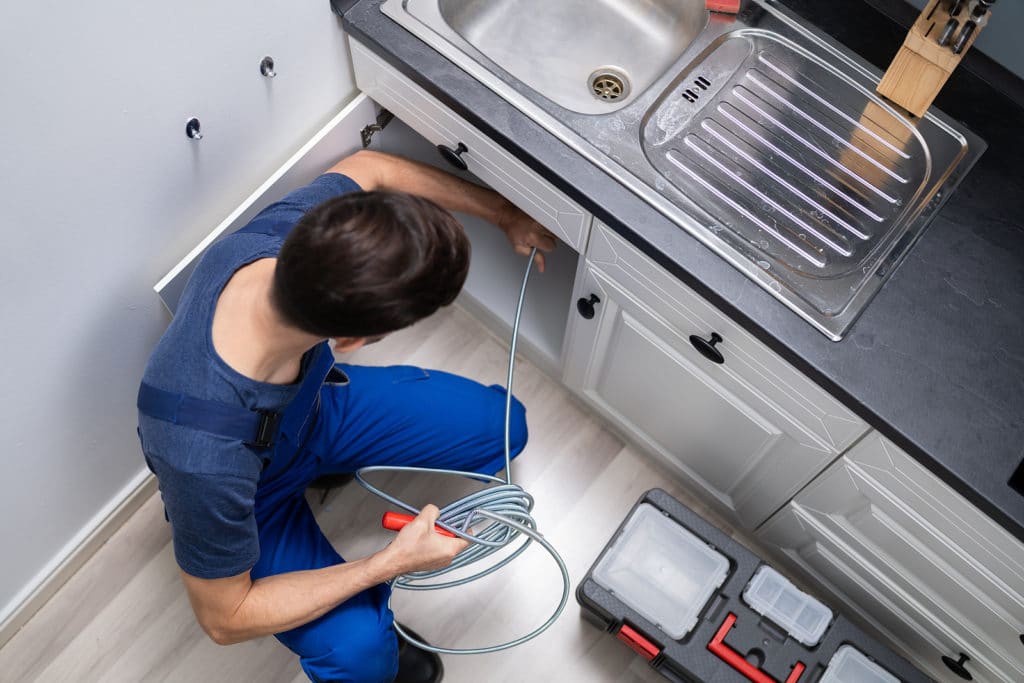
Councils and water authorities can legally reduce supply pressure to manage demand or protect ageing infrastructure. While frustrating, this change is sometimes permanent.
Incorrect installation can damage pipes or invalidate insurance, which is why homeowners often rely on experienced engineers like Coastal Drains to assess feasibility and install systems safely.
A partially closed stopcock is one of the most overlooked causes of low pressure. It’s usually located:
If pressure improves instantly, you’ve found the issue.
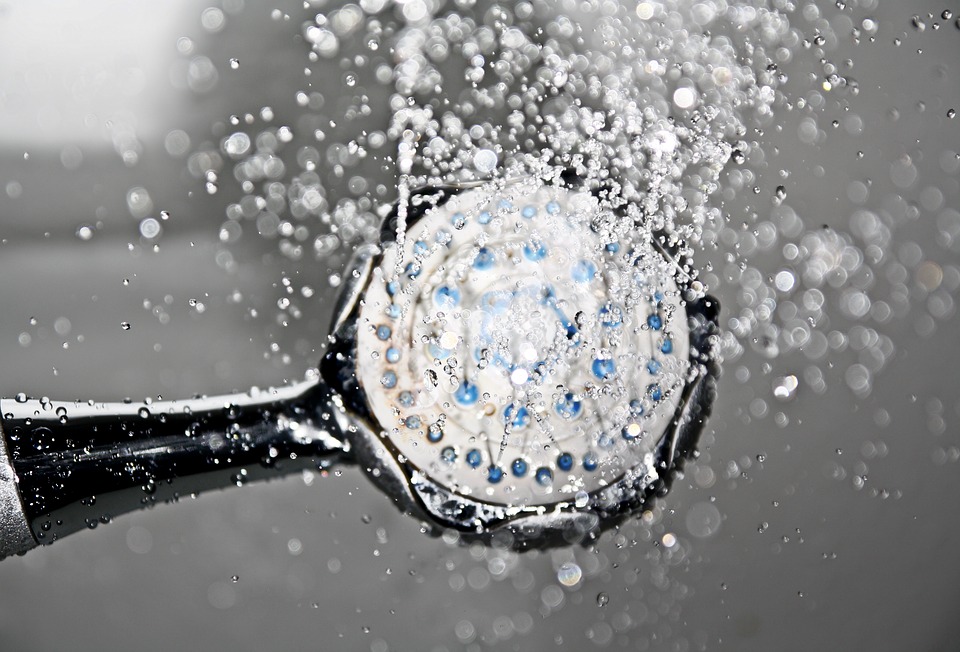
The external water meter valve, owned by the water supplier, controls the volume entering your home. It’s often located underground near the property boundary.
Low pressure following construction work often traces back to a meter valve not being fully reopened. In this case, your supplier must attend and correct it.
Not all UK homes have pressure regulators, but those that do rely on them to protect pipework. When they fail, pressure can drop suddenly.
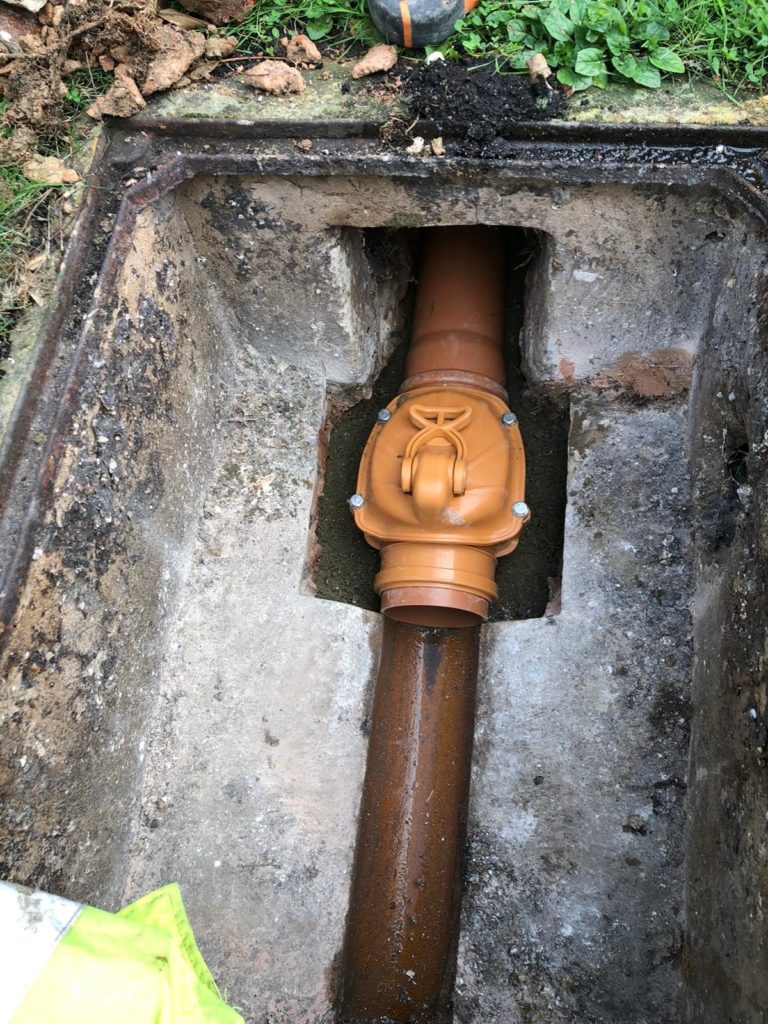
If readings don’t match, the regulator may be failing. Replacement should be handled by professionals to avoid pipe stress or internal leaks.
Mineral deposits, debris, and sediment can accumulate inside pipes, especially in hard water areas.
Rather than using chemicals that risk contaminating drinking water, Coastal Drains uses CCTV drain surveys to locate blockages precisely and clear them safely.
Pipe lifespan varies by material:
| Pipe Type | Typical Lifespan |
| Galvanised steel | ~20 years |
| Copper | 50+ years |
| Brass | 40–70 years |
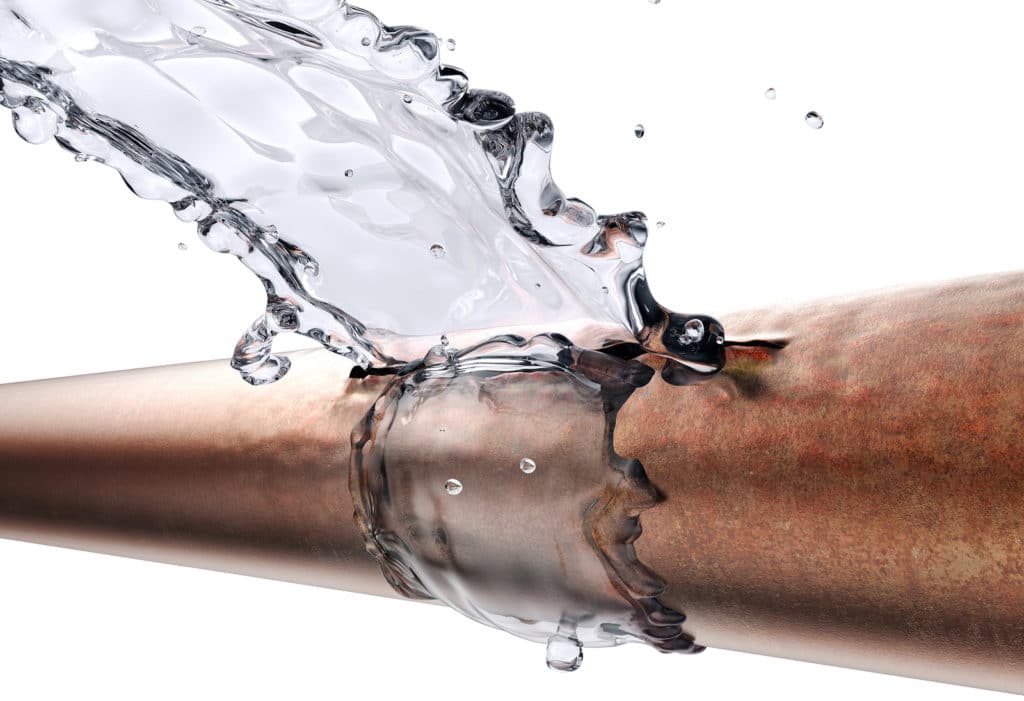
Older properties are especially vulnerable. Corrosion narrows internal pipe diameter, reducing flow and pressure. In severe cases, pipe replacement or lining may be required.
If you don’t know how old your plumbing is, it is a good idea to contact a professional. Here at Coastal Drains, we can discover what materials your pipes are made from, and how old they are. Get in touch with the experts today.
Some properties share supply lines, meaning pressure drops when neighbours use water simultaneously.
Coastal Drains can assess shared supply risks and advise on compliance before any upgrades.
Even small leaks can divert enough water to cause noticeable pressure loss.
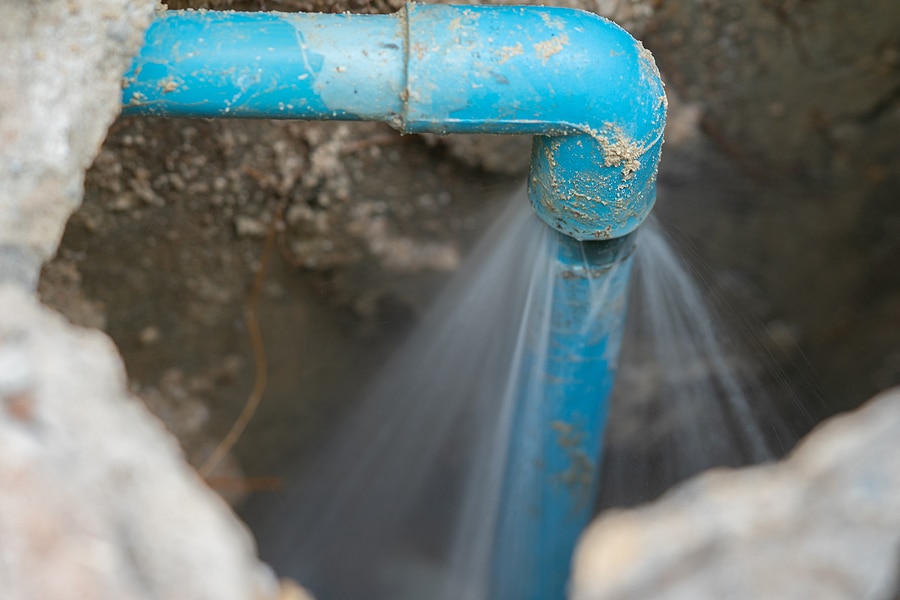
Common Signs
Though this won’t provide a permanent solution, it may prevent further damage for a few days. During this time, you can get in touch with the experts at Coastal Drains who can help to repair your pipes the same day on an emergency callout. We can also search for more leaks if the fix doesn’t solve your water pressure problems.
Temporary DIY patches may slow damage, but professional leak detection is essential to prevent structural harm.
If only certain taps or showers are affected, the issue is often localised.
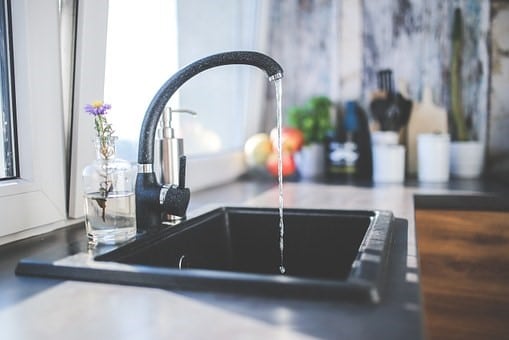
Always turn off the water supply before removing fittings.
You should seek immediate professional help if:
Coastal Drains offers rapid diagnostics, including emergency water leak response, to protect your property.
Whether the issue is minor or severe, Coastal Drains delivers clear answers and reliable solutions.
If low water pressure is affecting your home, don’t ignore it. Early diagnosis prevents costly damage. Contact Coastal Drains for professional assessment, fast repairs, and long-term peace of mind.
Maintaining your drainage system isn’t just about avoiding blockages; it’s about protecting your property, saving…
Read more
When your drains start acting up, slow-draining sinks, unpleasant smells, or recurring blockages, the real…
Read more
Keeping your gutters clean year-round is one of the most effective ways to protect your…
Read more
When it comes to maintaining a healthy drainage system, most property owners focus on obvious…
Read more