

How to Extend the Life of Your Drainage System
Maintaining your drainage system isn’t just about avoiding blockages; it’s about protecting your property, saving…
Read more
24 hr Emergency Callout

Blog
It’s one of those moments every homeowner dreads: you pour out the last of the soapy water from the sink, only to watch it sit there, sluggish and refusing to drain. Slow drainage, gurgling noises, or foul smells are signs that your pipes are partially blocked.
The good news is that many blockages can be tackled at home before calling in professionals. In this guide, we explore practical ways you can unblock household drains, combining safe DIY solutions with advice on when to bring in experts.
Before diving into solutions, it helps to understand why drains block. Common causes include food particles, grease, hair, soap residue, and sometimes foreign objects. Kitchens are especially prone to grease buildup, while bathroom drains often catch hair and soap. Older properties may also experience pipe damage or misalignment, making simple DIY solutions less effective.
Knowing the cause helps in choosing the best way to unblock a drain. Minor issues can often be fixed using household methods, while persistent blockages may require professional intervention, such as a CCTV drain survey, to detect deeper problems.
Boiling water is one of the simplest and most overlooked drain solutions. For minor grease clogs, pouring hot water in stages can help dissolve the build-up lining the pipes. Always pour slowly to avoid splashing and allow the heat to travel through the bends in your pipes. For kitchens and sinks, this can often be the easiest way to unblock household drains naturally.
Mixing baking soda and vinegar creates a fizzing reaction that breaks down organic blockages. This method is safe, eco-friendly, and effective for small clogs. Pour the mixture down the sink, leave it for 30 minutes to an hour, then flush with boiling water. Regular use also prevents grease and soap buildup, keeping your drain clear over time.
When slow drainage persists, salt combined with baking soda can provide a stronger natural solution. The mixture reacts with debris, loosening grease, soap, and grime. After leaving the mixture for 15-20 minutes, follow it with boiling water. This technique is gentle on pipes while being more aggressive than baking soda and vinegar alone.
Plungers are a traditional yet highly effective solution for clearing clogs near sinks, bathtubs, or toilets. Ensure a tight seal over the drain, then use steady pressure rather than jerky motions. If a blockage resists plunging, professional toilet unblocking services can help, especially for recurring toilet blockages which may indicate deeper sewer issues.
Often, blockages sit in the U-bend of the sink rather than further down the system. To clean it, place a bucket underneath, remove the trap, and clear out trapped debris. This method is simple but highly effective, especially for hair, soap, and food residues. Always ensure the parts are reassembled correctly to prevent leaks.
When blockages are further down the line, rods or water jetting may be necessary. This is more advanced and typically required for stubborn clogs that DIY methods cannot resolve. If your property has older pipes or pitch fibre drains and pipes, care is essential as aggressive cleaning can damage fragile systems. In such cases, professional intervention ensures long-term solutions without risking pipe damage.
Biological cleaners use enzymes to break down organic matter. These are particularly useful for septic systems, where harsh chemicals could harm beneficial bacteria. Homes with private drainage systems should consider enzyme-based solutions for hair, soap, or light organic buildup. For more information about maintaining septic systems, see our guide on septic tank drainage and how it works.
Chemical cleaners are effective but should be used sparingly. They can dissolve stubborn clogs, but repeated use can damage pipe joints, especially in older homes. Always follow the manufacturer’s instructions carefully. Persistent blockages might indicate structural issues, requiring professional attention.
Repeatedly blocked drains are a clear sign to stop DIY and call a professional. Experts can provide services like emergency drain unblocking, CCTV inspections, and sewer cleaning. Delaying can lead to larger problems, including pipe collapse or sewage backups.
Investing in preventative maintenance is often cheaper than emergency repairs. Scheduling regular checks with Coastal Drains ensures that minor issues are identified before they escalate into major problems.
Prevention not only saves money but also avoids the inconvenience of repeated blockages.
The best way to unblock a drain depends on the blockage type and location. Simple DIY methods like boiling water, baking soda and vinegar, and U-bend cleaning are effective for minor issues. For persistent or serious blockages, professional services like CCTV drain surveys, emergency drain unblocking, or sewer cleaning provide lasting solutions.
By combining preventive maintenance with the right interventions, homeowners can keep drains flowing smoothly, avoid costly repairs, and ensure their homes remain hygienic and safe.
Maintaining your drainage system isn’t just about avoiding blockages; it’s about protecting your property, saving…
Read more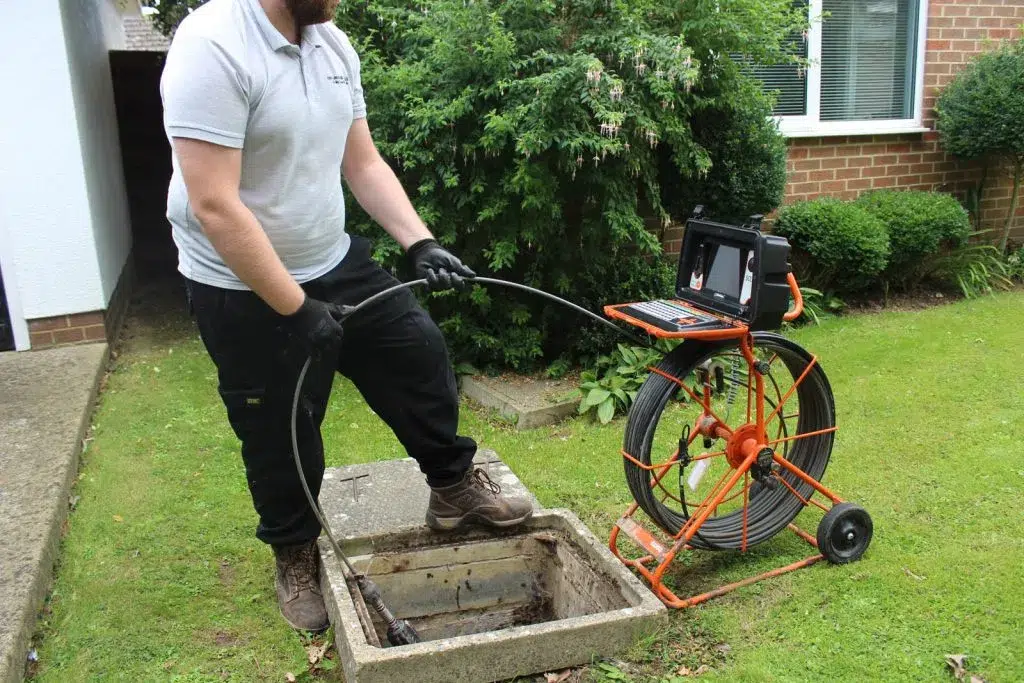
When your drains start acting up, slow-draining sinks, unpleasant smells, or recurring blockages, the real…
Read more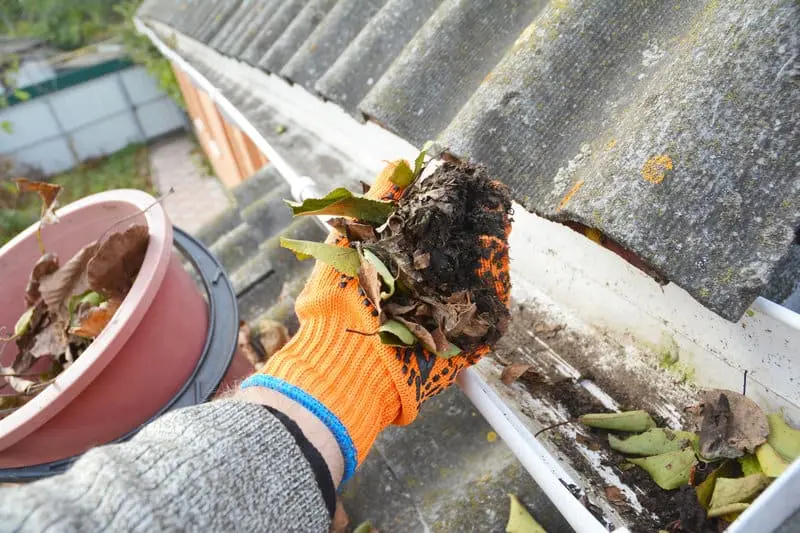
Keeping your gutters clean year-round is one of the most effective ways to protect your…
Read more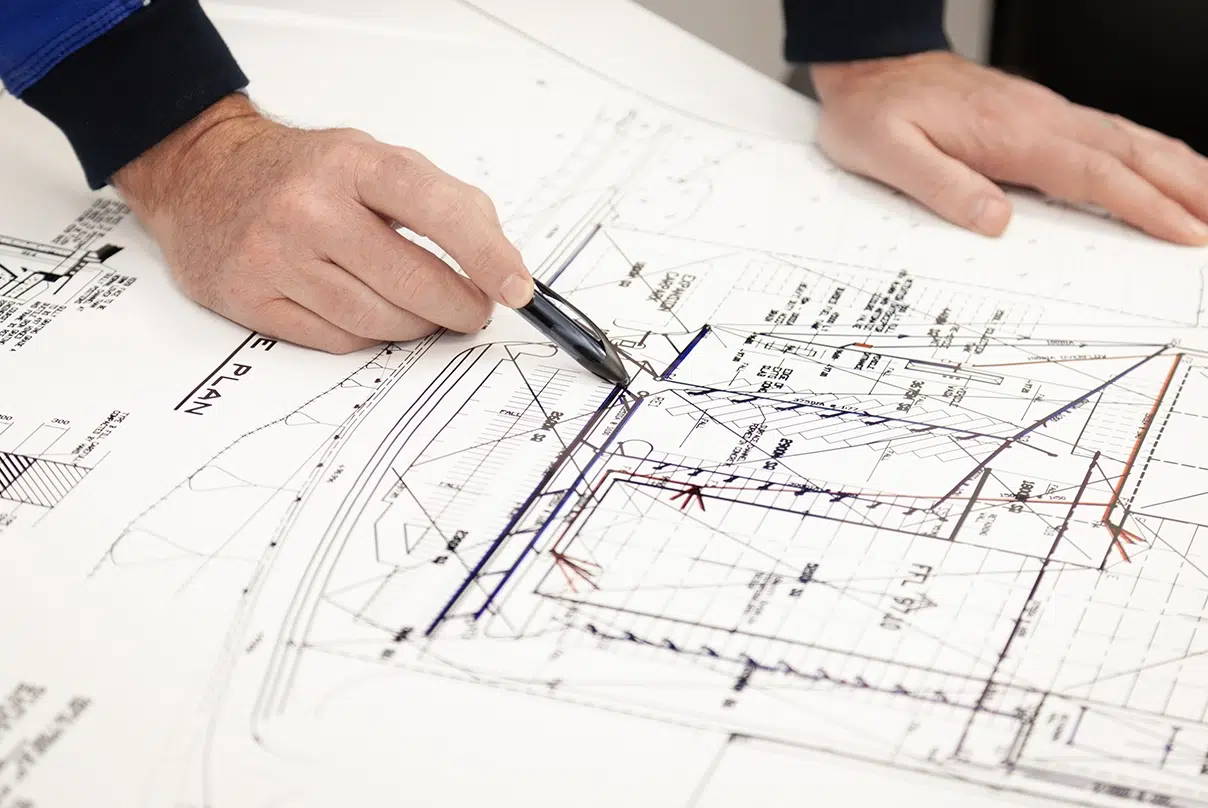
When it comes to maintaining a healthy drainage system, most property owners focus on obvious…
Read more