

How to Extend the Life of Your Drainage System
Maintaining your drainage system isn’t just about avoiding blockages; it’s about protecting your property, saving…
Read more
24 hr Emergency Callout

Blog

A blocked shower drain is one of the most common plumbing problems in UK homes. At first, it might seem like a small issue. Water drains a little slower than usual, or there is a slight smell coming from the plughole. Many homeowners ignore it and assume it will clear on its own.
Unfortunately, that rarely happens.
In most cases, a blocked shower drain slowly gets worse over time. Hair, soap residue, dirt, and debris begin to build up inside the pipe. Water struggles to pass through properly, and the blockage becomes more compact. What started as a slow drain can eventually lead to standing water in the shower, unpleasant odours, and even damage to your plumbing system.
Homes across Sussex often experience this issue due to everyday bathroom use, older pipework, and mineral deposits in the water supply. If the blockage is left unresolved for too long, it may require professional help from drainage specialists such as Coastal Drains to properly diagnose and resolve the issue.
Understanding what causes a blocked shower drain can help you identify the early warning signs and prevent more serious plumbing problems later.
If you are wondering what causes a blocked shower drain, the answer is usually a combination of everyday materials building up over time.
Showers carry far more than just water into your drainage system. Every time you wash, small particles travel down the pipe and gradually collect along the pipe walls.
The most common causes include:
Hair is the leading cause of a blocked shower drain.
Long hair easily slips through the plughole and becomes tangled inside the drain. Once it catches on pipe joints or rough surfaces, it acts like a net. Other materials, such as soap residue, dirt, and shampoo, attach themselves to the tangled hair, forming a thick blockage.
Over time, this bundle becomes dense and prevents water from flowing freely.
Households with long hair or multiple occupants tend to experience this problem more frequently.
Traditional soap bars contain fats and oils that react with minerals in the water supply. This reaction forms a sticky residue known as soap scum.
Soap scum gradually sticks to the inner walls of your pipes. When hair and debris pass through the drain, they cling to this sticky surface and create larger blockages.
Even liquid soaps and shower gels can contribute to residue build-up if used frequently.
Many people wash off dirt, sand, and dust after work, sports, or outdoor activities. These particles may seem harmless, but they can collect inside drainage pipes.
Heavy particles settle along the pipe edges, slowly reducing the pipe’s internal diameter. When combined with soap and hair, this sediment can form stubborn blockages.
Large parts of the UK, including many areas in Sussex, have moderately hard water. Minerals such as calcium and magnesium can accumulate inside plumbing systems.
Over time, this mineral build-up narrows pipes and makes it easier for debris to stick to pipe walls, which increases the risk of recurring drainage issues.
Most blockages develop gradually rather than appearing overnight. Recognising the early warning signs can help you prevent a more serious problem.
Look out for these symptoms:
If these signs appear frequently, it may indicate that debris has already begun building up deeper in the drainage system.
In some cases, homeowners discover that the issue is not just a surface blockage but a deeper pipe obstruction. Professional inspections, such as a CCTV drain survey, can help locate hidden blockages without unnecessary excavation.
In many situations, minor blockages can be cleared with simple DIY methods.
However, these solutions usually work only when the blockage is close to the drain opening.
Start by removing the drain cover and checking for visible hair or debris.
Use gloves or a drain tool to pull out tangled hair. This is often the quickest way to restore water flow.
Pour hot water mixed with washing-up liquid down the drain.
This method can help dissolve greasy soap residue and loosen small deposits inside the pipe.
A small plunger can sometimes dislodge shallow blockages.
Create a tight seal over the plughole and pump several times to create pressure inside the pipe.
Some homeowners use baking soda followed by vinegar. This mixture creates a fizzing reaction that may break down small amounts of residue.
However, this approach rarely works on large hair blockages.
While minor blockages can sometimes be resolved at home, certain situations require professional attention.
You should consider professional assistance if:
These symptoms may indicate a larger issue within the drainage network that requires professional drain unblocking services to remove the obstruction properly.
Professional drainage engineers use specialised equipment designed to safely and efficiently remove stubborn blockages.
The first step is identifying the exact location of the blockage.
Technicians often perform internal pipe inspections using cameras. Detailed drain inspection services allow engineers to identify hair build-up, collapsed pipes, grease deposits, or other hidden problems.
Once the blockage is located, engineers may use high-pressure water jetting to clear the pipe.
Specialist equipment used by professional drain jetting companies can blast away grease, soap residue, and debris that ordinary household tools cannot reach.
This method restores proper water flow and cleans the inner pipe walls.
Preventing a shower drain blockage is often easier than fixing one.
By adopting a few simple habits, homeowners can reduce the risk of drainage issues.
A mesh drain cover catches hair before it enters the pipe.
This small investment can significantly reduce blockages.
Removing visible debris weekly helps stop small blockages from turning into serious problems.
If you come home covered in mud or sand, rinse off outside first to prevent sediment from entering your drainage system.
Pouring hot water down the drain occasionally helps dissolve soap residue and prevents build-up.
A blocked shower drain might start as a small inconvenience, but it can quickly become a serious plumbing issue if ignored. Hair, soap residue, dirt, and mineral deposits gradually accumulate inside pipes and restrict water flow.
Recognising early warning signs and maintaining your drainage system can help prevent expensive repairs.
However, if the problem keeps returning or water stops draining completely, professional drainage specialists may be required to properly inspect and clear the system before further damage occurs.
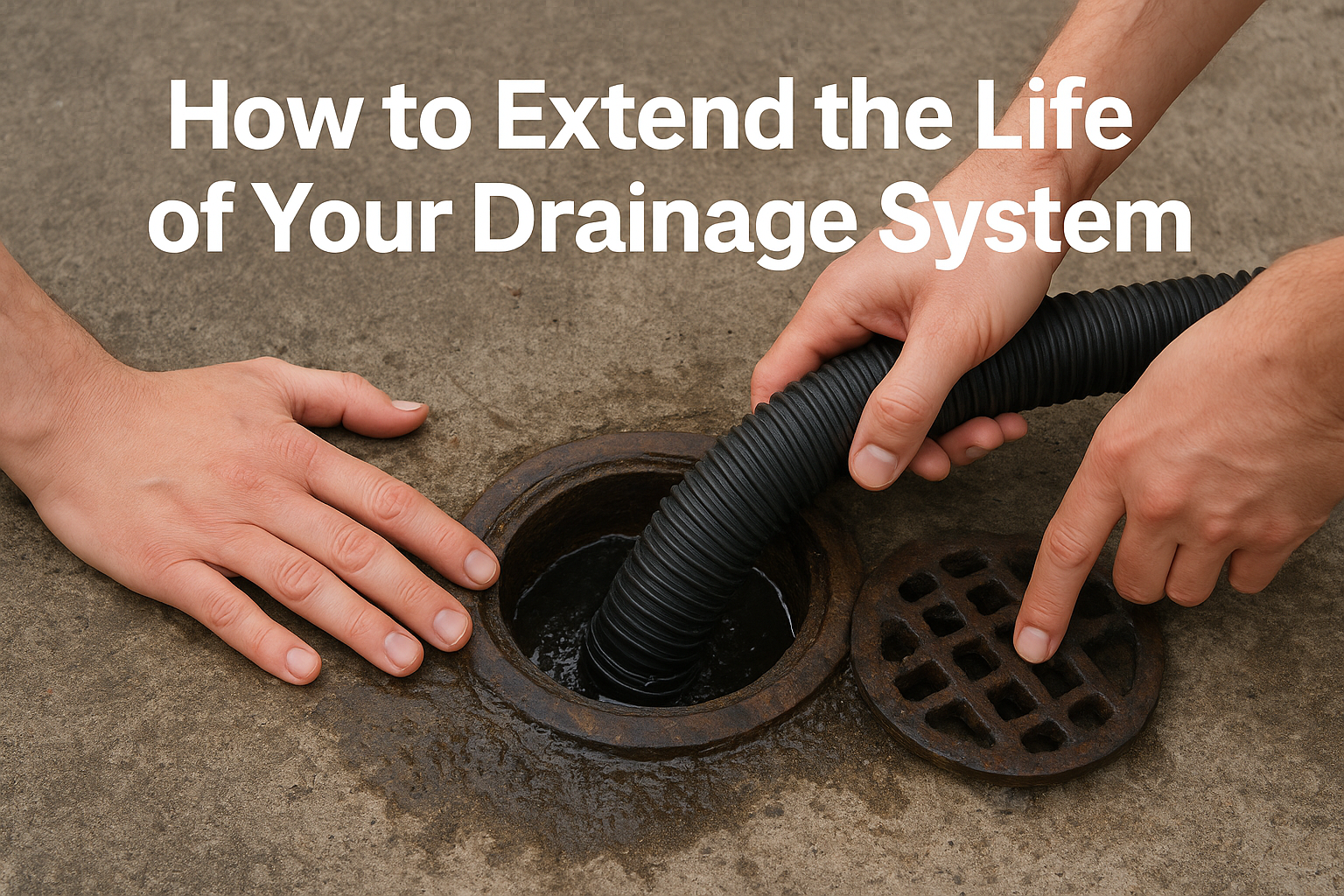
Maintaining your drainage system isn’t just about avoiding blockages; it’s about protecting your property, saving…
Read more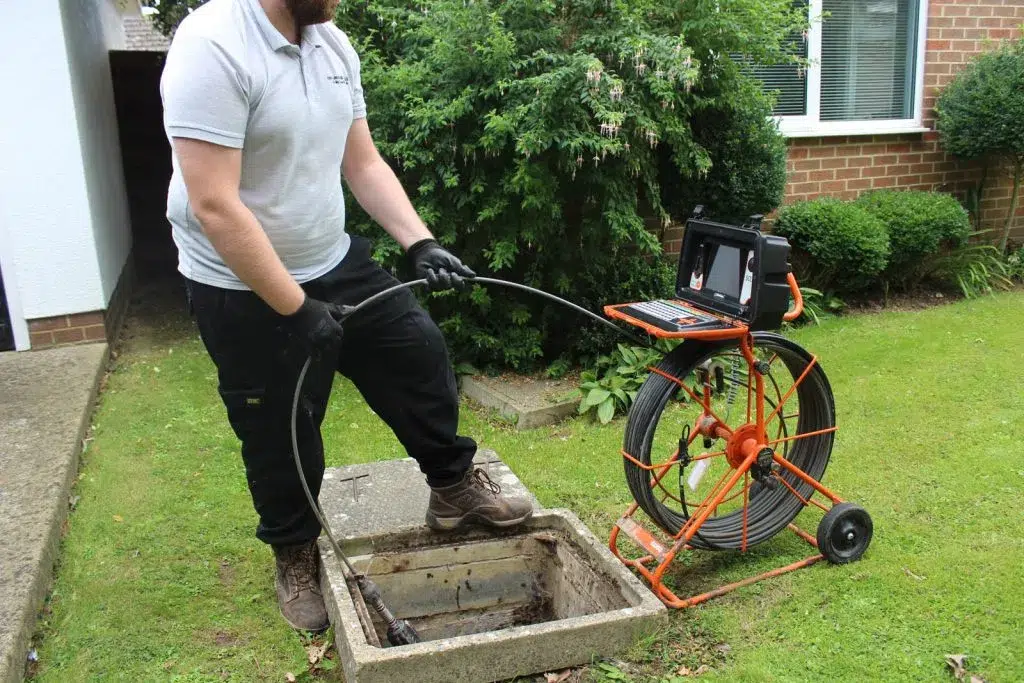
When your drains start acting up, slow-draining sinks, unpleasant smells, or recurring blockages, the real…
Read more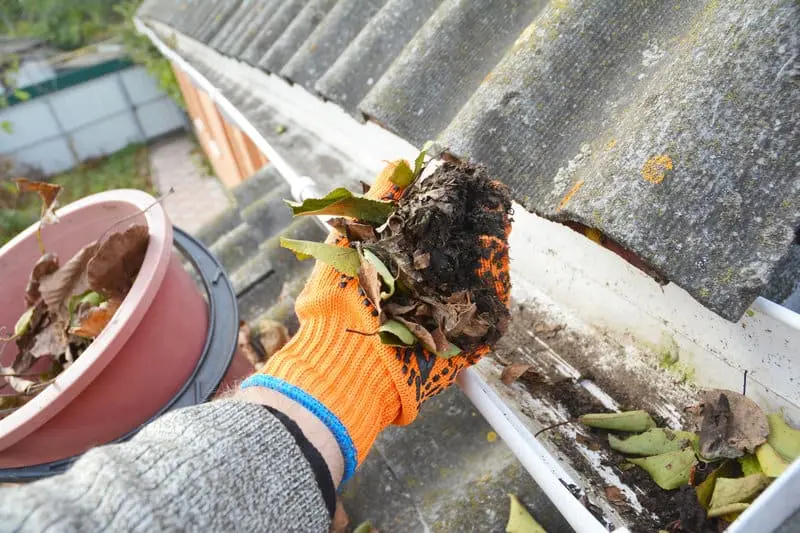
Keeping your gutters clean year-round is one of the most effective ways to protect your…
Read more
When it comes to maintaining a healthy drainage system, most property owners focus on obvious…
Read more