

How to Extend the Life of Your Drainage System
Maintaining your drainage system isn’t just about avoiding blockages; it’s about protecting your property, saving…
Read more
24 hr Emergency Callout

Blog
For homeowners and property managers across the UK, unexpected drainage problems can be both inconvenient and expensive. From blocked drains to burst pipes, the costs of repairing or replacing drainage systems can quickly add up. This is where drainage insurance comes in, a specialised policy that covers the cost of repairing or maintaining your plumbing and drainage systems.
In this article, we will explore the ins and outs of drainage insurance, what it covers, how it works, and why it is a valuable investment for protecting your home. We will also discuss the types of policies available, what factors affect premiums, and how to choose the right coverage.
Drainage insurance is a type of home insurance that provides financial protection for issues related to your property’s drainage system. Unlike standard home insurance, which might only cover accidental damage to the structure or belongings, drainage insurance specifically covers problems like:
The policy ensures that homeowners do not have to bear the full cost of unexpected plumbing emergencies, which can sometimes run into thousands of pounds.
Even modern homes with well-maintained plumbing systems are not immune to drainage problems. Over time, pipes can deteriorate, tree roots can invade, and sudden blockages or collapses can occur. Having home drainage insurance provides peace of mind by covering these risks.
By investing in drainage insurance, homeowners can avoid the stress and unexpected financial burden of sudden plumbing failures.
Drainage insurance is not a one-size-fits-all product. Policies vary widely in coverage, limits, and exclusions. Understanding the different types helps homeowners choose a plan that suits their needs.
This is the most common type, covering both plumbing and drainage systems. It protects against:
Many providers also cover the costs of emergency call-outs, meaning you don’t have to wait for a regular plumber to fix urgent issues.
Specifically focused on the drainage system, this type of policy typically covers:
Some plans also cover CCTV drain surveys to identify hidden issues before they escalate. This can be particularly useful in older properties where pipes may be prone to collapse.
A broader term for policies covering drains connected to a residential property. This may include:
For homeowners with older drainage systems, this type of coverage can provide additional protection and peace of mind.
Understanding the process of filing a claim and receiving coverage is essential. Typically, drainage insurance works in the following way:
Many policies also cover preventative maintenance, including drain tests and pipe inspections, helping to avoid costly emergencies.
Home drainage insurance can protect against a wide range of problems. Some of the most common include:
By covering these issues, drainage insurance ensures that homeowners are not left with a sudden financial burden.
Insurance premiums for drainage coverage depend on multiple factors:
Some providers may also offer discounts for properties with documented regular maintenance or professional CCTV drain inspections.
Selecting the right drainage insurance involves careful consideration. Here are some tips:
For residents in areas such as Brighton, Worthing, and Eastbourne, opting for providers with local expertise ensures faster response times for emergencies.
Filing a claim is generally straightforward:
Choosing a provider that works closely with professional drain contractors or emergency drain services ensures smoother claim handling.
While drainage insurance provides financial protection, preventative maintenance is key to avoiding emergencies. Homeowners should consider:
Combining preventative measures with comprehensive insurance coverage maximises protection and reduces the likelihood of costly repairs.
Some insurance providers allow you to bundle drainage insurance with other home services, such as:
Bundling can provide cost savings while ensuring all aspects of your property’s plumbing and drainage are covered. For example, integrating emergency drain unblocking services with your insurance policy ensures rapid resolution of critical problems.
The cost of drainage insurance depends on coverage type, property location, and risk factors. Basic plans covering internal drains may cost a few hundred pounds per year, while comprehensive plans including external drains, sewers, and emergency services may cost significantly more.
Investing in drainage insurance is particularly valuable when compared to the potential cost of:
For detailed examples, homeowners can consult providers offering drain repair and cleaning services.
Drainage insurance is an essential investment for UK homeowners, offering peace of mind against unexpected plumbing and drainage issues. By combining coverage with preventative measures such as drain surveys and professional maintenance, property owners can protect both their homes and finances.
Before choosing a policy, assess your property’s risk factors, ensure coverage matches potential costs, and select a provider with local expertise. Whether you live in Brighton, Worthing, or other areas in Sussex, having reliable drainage insurance ensures you are prepared for any emergency.
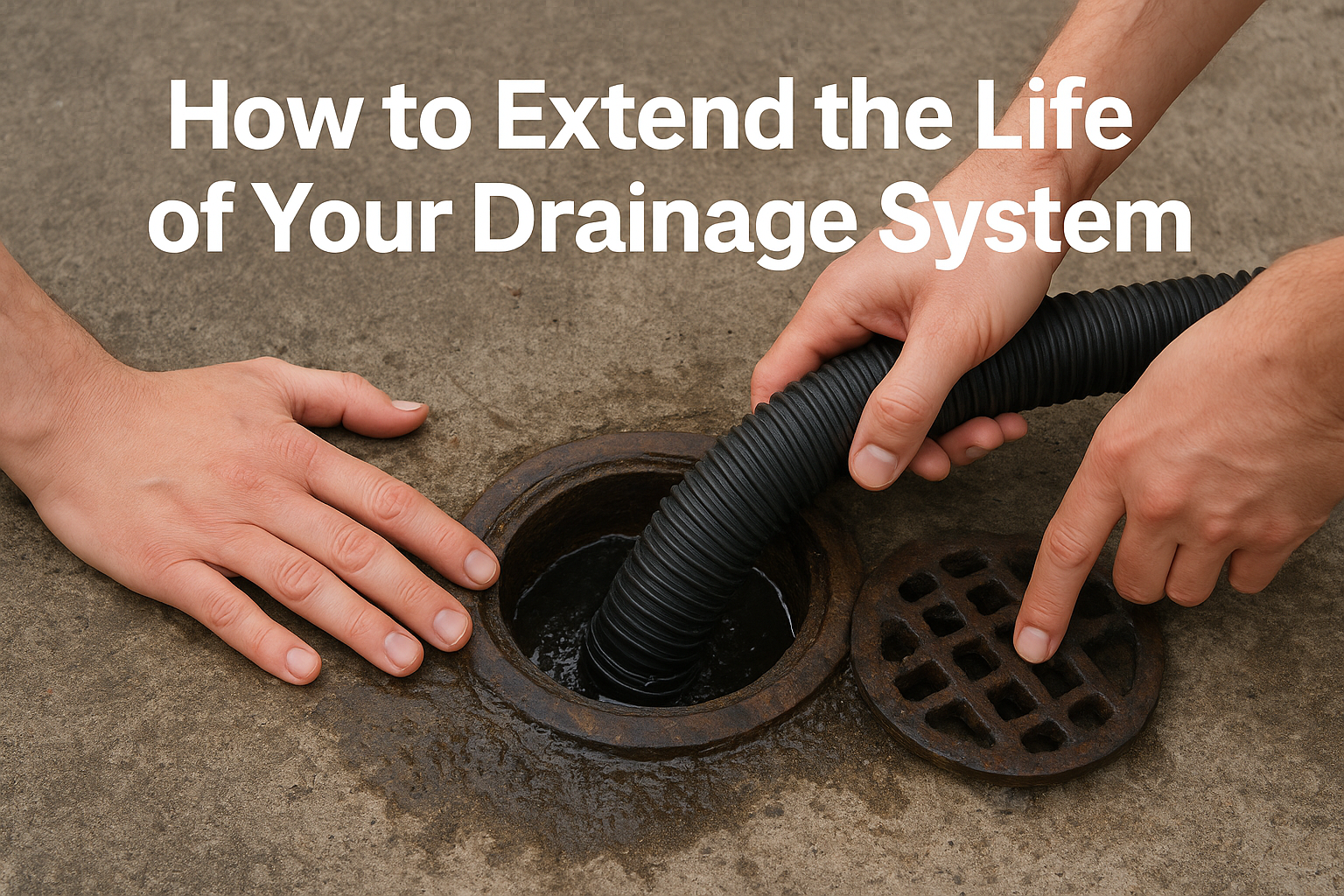
Maintaining your drainage system isn’t just about avoiding blockages; it’s about protecting your property, saving…
Read more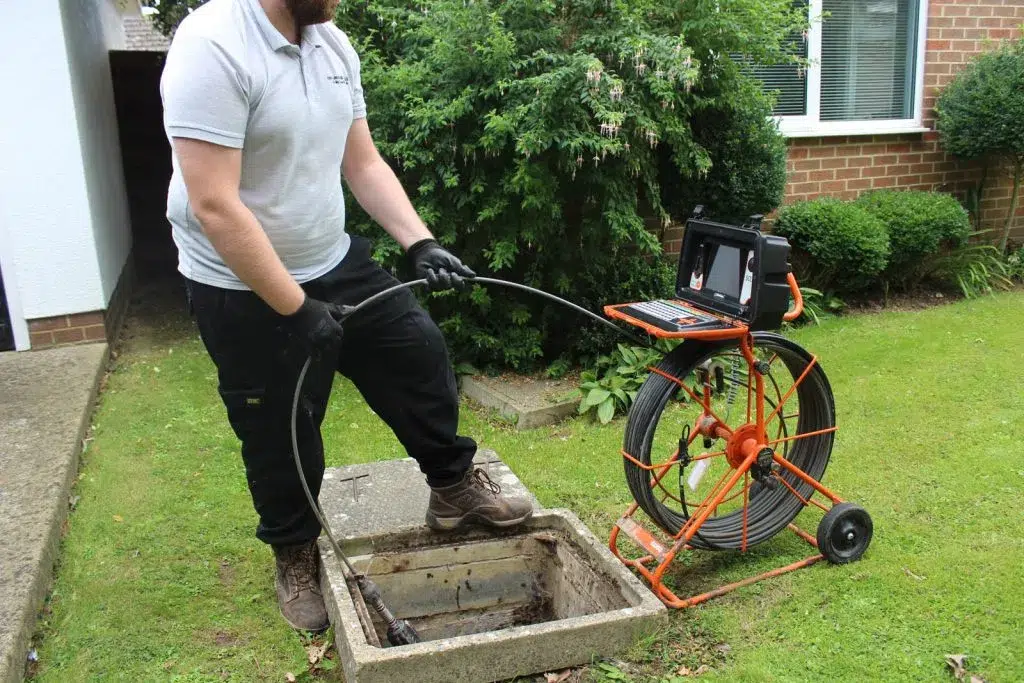
When your drains start acting up, slow-draining sinks, unpleasant smells, or recurring blockages, the real…
Read more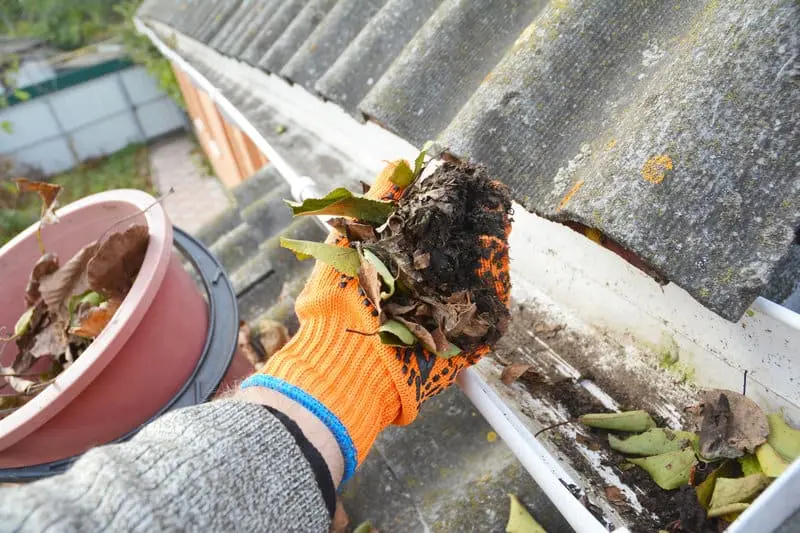
Keeping your gutters clean year-round is one of the most effective ways to protect your…
Read more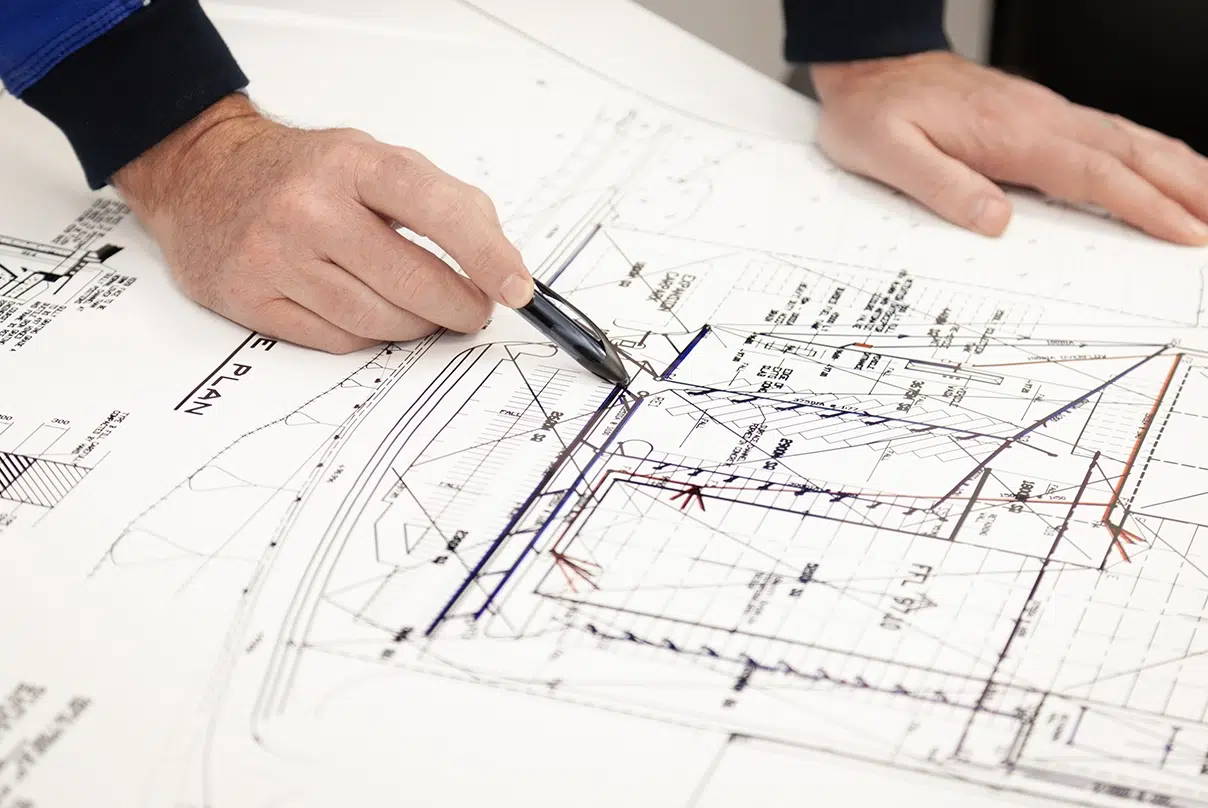
When it comes to maintaining a healthy drainage system, most property owners focus on obvious…
Read more