

How Regular Tanker Services Help Prevent Costly Cesspit and Septic Tank Emergencies
If your property relies on a cesspit or septic tank, regular maintenance is essential. Unlike…
Read more
24 hr Emergency Callout
Blog
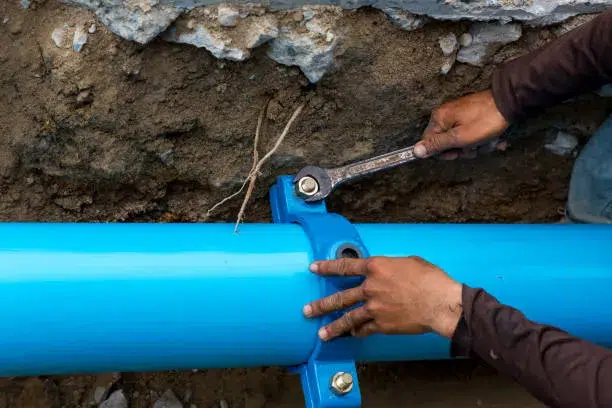
A failing main sewer connection rarely starts with a dramatic flood. In most cases, it begins with small, easy-to-ignore symptoms that gradually become expensive and disruptive. The main sewer connection is the final section of pipe that carries all wastewater from your property into the public sewer network. When this pipe becomes blocked, cracked, collapsed or invaded by tree roots, wastewater has nowhere to go. The result is recurring blockages, foul smells, slow drainage, sewage backups and, in serious cases, structural damage to your property.
This guide explains the seven clearest warning signs that your main sewer connection needs professional attention. You will learn what each symptom means, why it happens, the risks of ignoring it, and exactly when you should call for emergency help. Early action almost always costs far less than waiting for a complete failure.
Your internal drains (sinks, baths, toilets, showers) all eventually feed into one main pipe that leaves your property and joins the public sewer. This final connection is under constant pressure. It carries hot water, grease, soap residue, toilet paper and the occasional non-flushable item. Over time it can suffer from:
When the main connection fails, every fixture in the house is affected. Temporary clearing of individual drains only treats the symptom. The underlying problem remains and usually returns worse than before.
An occasional blocked sink or toilet is normal. Recurring blockages that return within days or weeks, especially when they affect more than one fixture at the same time, almost always point to a deeper problem in the main sewer connection.
What happens is simple. Wastewater leaves the house without difficulty but meets resistance further down the line. The blockage creates a back-pressure that forces debris to settle in the nearer pipes. Clearing the kitchen sink or bathroom toilet only removes the local build-up. The main restriction remains, so the problem reappears quickly.
Homeowners often spend months calling different companies for individual clearances. Each visit temporarily restores flow, but the same pattern returns. A proper diagnosis with a CCTV drain survey reveals whether the real issue is roots, a collapsed section, grease accumulation, or a structural fault in the main connection.
Ignoring repeated blockages increases the risk of a sudden and complete backup into the property.
When only one sink drains slowly, the cause is usually local (hair, soap, food particles). When every drain in the house empties slowly, sinks, baths, showers and toilets, the restriction is almost certainly further down the system.
Slow drainage develops gradually. At first the delay is minor and easy to overlook. Over weeks or months it becomes noticeable. Water sits in the bath for longer. The toilet flushes more weakly. The kitchen sink takes time to clear. These are classic early signs of a developing main sewer problem.
Common causes include partial blockages from grease, scale, debris or early-stage root intrusion. Ground movement can also reduce the gradient of the pipe so that water flows more slowly. In older properties, the pipe itself may have started to sag or partially collapse.
A professional inspection identifies the exact location and nature of the restriction so the correct repair method can be chosen. Temporary plunging or chemical treatments rarely solve a main-line issue and can sometimes push debris further into the system.
Sewage smells should never be accepted as normal. When foul odours appear around outdoor drains, inspection chambers, bathrooms, utility rooms or the garden, gases from the sewer system are escaping.
Healthy sealed pipes keep sewer gases contained. Cracks, broken joints, collapsed sections or blocked vents allow those gases to rise into the living space or outdoor areas. The smell is often strongest after heavy rain or when the system is under pressure from partial blockages.
Many homeowners first notice the odour near external gullies or manhole covers. Others detect it inside the house when the wind is in a certain direction or when bathroom extractors are running. In some cases, the smell is intermittent and disappears for days before returning stronger.
Persistent odours are more than an inconvenience. They indicate a breach in the system that can also allow wastewater to escape into the surrounding soil. Left untreated, the problem usually worsens and can contribute to damp, contamination and health concerns.
This is the most serious and obvious warning sign. When wastewater returns through the lowest points in the system, usually toilets, showers, baths or ground-floor drains, the main sewer connection can no longer discharge properly.
A complete or near-complete blockage forces the contents of the pipe back toward the property. The result is sewage appearing where it should never be. This situation is a genuine emergency because it introduces bacteria, creates immediate hygiene risks, and can cause significant damage to flooring, walls, and furnishings.
Common triggers include sudden heavy rainfall that overwhelms a partially blocked line, a large object becoming lodged in the pipe, or a section of pipe finally collapsing. Once sewage is entering the property, temporary measures are of little use. Professional emergency sewer services are required to clear the obstruction, remove contaminated water, and assess the condition of the pipe.
Delaying action increases both the repair cost and the health risk to occupants.
Underground leaks often reveal themselves outdoors before they become obvious indoors. Constantly damp patches of ground, soft soil that sinks underfoot, unexplained puddles, or unusually lush green strips of grass can all indicate that wastewater is escaping from a damaged main sewer pipe.
Because the pipe runs beneath the garden or driveway on its way to the public sewer, any crack or joint failure allows liquid to soak into the surrounding soil. Over time, this can create voids, cause localised settlement and damage nearby structures or paving.
Homeowners sometimes mistake these damp areas for natural drainage problems or over-watering. The key difference is that the wet patches appear even during dry weather and often follow the line of the underground pipe. In advanced cases, the ground may visibly sink, creating a hollow or depression.
Prompt investigation prevents further ground movement and reduces the chance of more expensive structural repairs later. A CCTV survey combined with electronic tracing can locate the exact point of failure without unnecessary excavation.
Healthy drainage systems operate quietly. Gurgling, bubbling or sucking noises after flushing a toilet or emptying a sink are a classic early warning that air is trapped in the system.
These sounds occur when a developing blockage restricts the free flow of water and air. As water tries to pass the restriction, it creates turbulence and draws air through the nearest open fixture. The result is the distinctive bubbling noise that many people first notice in the bathroom or kitchen.
Gurgling often appears weeks or months before a complete blockage. It is one of the most useful early indicators because it gives you time to investigate before sewage starts backing up. The noise may come from one fixture while another is being used, which helps confirm that the problem is shared rather than local.
Professional diagnosis distinguishes between a simple partial blockage, a ventilation fault, or actual damage to the main sewer connection. Treating the symptom with temporary methods rarely removes the underlying cause.
If you find yourself repeatedly calling for emergency drain clearance, the underlying problem has almost certainly never been properly identified or repaired. Temporary high-pressure jetting or rodding can restore flow for a short period, but if the same fixtures block again within weeks or months, the root cause remains.
Typical long-term causes include:
Each temporary clearance buys time but does not solve the structural or deep-blockage issue. Over time, the intervals between call-outs become shorter, and the cost of repeated visits exceeds the price of a proper permanent repair.
A comprehensive inspection identifies whether the solution is a thorough clean, pipe lining, sectional repair or full replacement of the affected part of the main sewer connection. Addressing the real cause stops the cycle of emergency call-outs.
Some situations cannot wait for a convenient appointment. Arrange professional help immediately if you notice any of the following:
In these cases, experienced engineers can attend quickly, diagnose the problem with specialist equipment, and prevent further damage. Early intervention almost always reduces both the scale of the repair and the overall cost.
Coastal Drains has decades of experience dealing with sewer connection issues across Sussex. Our engineers arrive with the equipment needed to diagnose and resolve most problems on the first visit. This includes high-definition CCTV cameras, high-pressure water jetting units, root-cutting tools and trenchless repair options where suitable.
The process is straightforward. We first assess the symptoms and then carry out a detailed inspection to locate the exact fault. Once the cause is identified, we explain the options clearly, including the expected cost and timescale, before any work begins. Where possible, we favour no-dig or minimal-excavation methods to reduce disruption to gardens, driveways and landscaping.
Whether the issue is a straightforward blockage, root intrusion, a collapsed section or a failing main sewer connection, the goal is always a lasting solution rather than a temporary fix.
If you suspect a main sewer problem but the situation is not yet an emergency, a few simple actions can reduce risk:
These steps will not cure the underlying fault, but they can limit further damage until a professional inspection is carried out.
While not every sewer problem can be prevented, regular maintenance significantly reduces the risk of sudden failure. Periodic CCTV surveys, especially on older properties or those with large trees nearby, allow early detection of roots, scale or structural movement. Keeping fats, oils and grease out of the kitchen sink and avoiding non-flushable items also protects the system.
Properties with older pipe materials (particularly pitch-fibre) benefit from proactive assessment before a complete collapse occurs. Addressing small defects early is almost always cheaper and less disruptive than emergency excavation later.
A professional CCTV survey traces the line from your property toward the public network and identifies exactly where the fault lies. Responsibility for repair depends on the location of the defect. Coastal Drains can advise on this after inspection.
Yes. Tree roots seek moisture and can enter small cracks or joints. Once inside, they expand and create substantial blockages. Root cutting combined with repair or lining is often required for a lasting solution.
Yes. Sewage entering the property introduces health risks and can cause rapid damage to floors, walls, and furnishings. Immediate professional attendance is recommended.
Temporary clearance can restore flow for a short period, but if the underlying cause is structural damage, roots or a persistent restriction, the problem will return. A full diagnosis is needed for a permanent repair.
This depends on the nature of the fault. Simple blockages can often be cleared the same day. Structural repairs or lining work may take longer and sometimes require a return visit. We always provide a clear timescale before work begins.
Yes. Coastal Drains provides emergency response for serious sewer and drainage problems throughout the Sussex area.
Avoid digging in the area and contact a drainage specialist for investigation. Electronic tracing and CCTV can locate the source of the leak without unnecessary excavation.
Problems with the main sewer connection do not improve on their own. The seven warning signs- recurring blockages, whole-house slow drainage, foul odours, sewage backups, wet or sunken garden areas, gurgling noises and repeated emergency call-outs- are reliable indicators that professional attention is required.
Acting at the first clear symptoms protects your property, limits repair costs and reduces health risks. Coastal Drains combines rapid emergency response with thorough diagnosis and lasting repair methods so that the problem is resolved properly rather than temporarily masked.
If you recognise any of these signs at your property, the safest next step is a professional inspection. Early diagnosis almost always leads to a simpler, cleaner and more cost-effective solution.

If your property relies on a cesspit or septic tank, regular maintenance is essential. Unlike…
Read more
A blocked or damaged sewer connection often demands immediate attention, but fixing the immediate problem…
Read more
Planning a home extension, building a new property, or carrying out major renovations involves much…
Read more
Maintaining your drainage system isn’t just about avoiding blockages; it’s about protecting your property, saving…
Read more