

How to Extend the Life of Your Drainage System
Maintaining your drainage system isn’t just about avoiding blockages; it’s about protecting your property, saving…
Read more
24 hr Emergency Callout

Blog
Choosing the correct septic tank is one of the most important decisions for any property not connected to mains sewer systems. Across Sussex and rural parts of the South East, many homes rely on private drainage systems. An undersized tank can cause sewage backups, foul smells, and environmental issues, while an oversized tank may not function efficiently.
This guide explains septic tank sizing in the UK, how to determine what size septic tank you may need, and how to avoid expensive mistakes. Whether you are building a new home, replacing an old system, or upgrading to meet current regulations, understanding septic tank capacity is essential.
At Coastal Drains, we regularly assess and install private drainage systems across Sussex. Many problems we encounter originate from poor sizing decisions made years ago. Getting it right from the start protects both your property and your investment.
Septic tanks fail for multiple reasons, but incorrect sizing is one of the most common.
Older rural properties often have tanks installed decades ago, when households were smaller and water usage lower. Today, modern homes may have multiple bathrooms, power showers, and high-capacity appliances, making old tanks insufficient.
Common causes of failure include:
When a tank is undersized, wastewater moves through too quickly. Solids do not settle properly, and sludge builds up faster, leading to blocked pipes, overflowing tanks, and drainage field contamination.
If you are experiencing repeated blockages or slow flushing toilets, a professional CCTV drain survey can reveal whether the system is struggling.
Sussex has a high number of rural and semi-rural homes relying on private drainage. Areas such as Worthing, Lewes, Crowborough, and surrounding villages have many septic tanks and sewage treatment plants.
Many of these systems were installed before the modern Building Regulations. Since the General Binding Rules came into force, discharge standards have become stricter. Once acceptable, tanks may now require upgrading.
Ground conditions in Sussex also vary. Clay soils can restrict drainage field performance, meaning tank sizing and field design must be carefully calculated. A tank that performs well in sandy soil may struggle in heavier clay.
When we carry out septic tank installation and emptying in Sussex, we always assess both tank capacity and ground suitability before recommending a solution.

UK Building Regulations guide for minimum septic tank sizes. While exact calculations depend on the property, general rules are:
Most calculations are based on the number of bedrooms rather than current occupants:
If you’re asking, What size septic tank do I need?, the bedroom count is usually the starting point.
A proper septic tank sizing guide considers more than just occupants.
Professional drain inspection services can assess pipework condition, ground levels, and system layout before installation or replacement.

Typical domestic property guidance:
If your property includes annex accommodation, a home office with toilets, or holiday lets, the system must accommodate increased load. Planning a property extension? Review your septic tank size before starting work.
An undersized tank can cause severe disruption:
Severe cases can cause sewage to back up into the property, a significant health hazard. Emergency sewer services can contain the issue, but if the tank is too small, the problem will return. Repeated emergency call-outs often indicate insufficient system capacity.
While less common, oversizing can also create issues.
Low wastewater flow in a large tank may prevent solids from breaking down effectively. Sludge may accumulate unevenly, reducing efficiency. Slightly oversizing is usually safer than undersizing, but balanced retention time and consistent flow are key.
Minor issues like slow drainage can sometimes be improved by:
However, if the tank itself is incorrectly sized, DIY measures will not solve long-term problems. Structural issues, such as cracked pipes or damaged outlets, require professional repair. Modern techniques like drain lining can restore damaged pipes without full excavation.
If the system is beyond repair, replacement may be the only safe solution. Our guide on septic tank replacement cost in the UK explains what homeowners can expect financially.
A septic problem becomes urgent when:
Immediate action is required to prevent property damage and contamination. Ignoring warning signs often leads to higher repair costs later.
Installation costs vary depending on:
Smaller systems may cost several thousand pounds, while larger installations with extensive groundwork can cost significantly more. Choosing the cheapest option can result in long-term problems. Correct septic system tank sizes protect your property and avoid repeated expenses.
When we assess a property, we follow a structured approach:
This ensures the recommended septic tank size guide matches the property accurately.
Some properties may benefit more from a domestic sewage treatment plant than a traditional septic tank.
Treatment plants provide higher levels of processing and may be required if discharge conditions are strict, particularly near watercourses or sensitive environmental areas. Professional advice is crucial before choosing between systems.
Correct tank sizing is only part of the equation. Regular maintenance is essential to prevent emergencies:
Neglecting maintenance shortens system lifespan and increases the risk of failure. Our guide on septic tank maintenance provides further advice for long-term system care.
What size septic tank do I need for a four-bedroom house in the UK?
Most four-bedroom homes require 3000–3600 litres, depending on usage and local regulations.
How often should a septic tank be emptied?
Most domestic tanks require emptying once a year, though usage may increase frequency.
Can I increase my septic tank size later?
Yes, but it may involve excavation and drainage field modifications. Professional assessment is essential.
Does septic tank size affect property value?
Yes. A compliant, correctly sized system supports smoother property sales and mortgage approvals.
Choosing the correct septic tank size is critical for hygiene, environmental safety, legal compliance, and long-term cost. If you are unsure what size septic tank you need, or your current system is struggling, a professional assessment can prevent serious damage.
Early advice is always more affordable than emergency repairs. Coastal Drains provides trusted guidance, installation, and ongoing support across Sussex, tailored to your property’s specific needs.
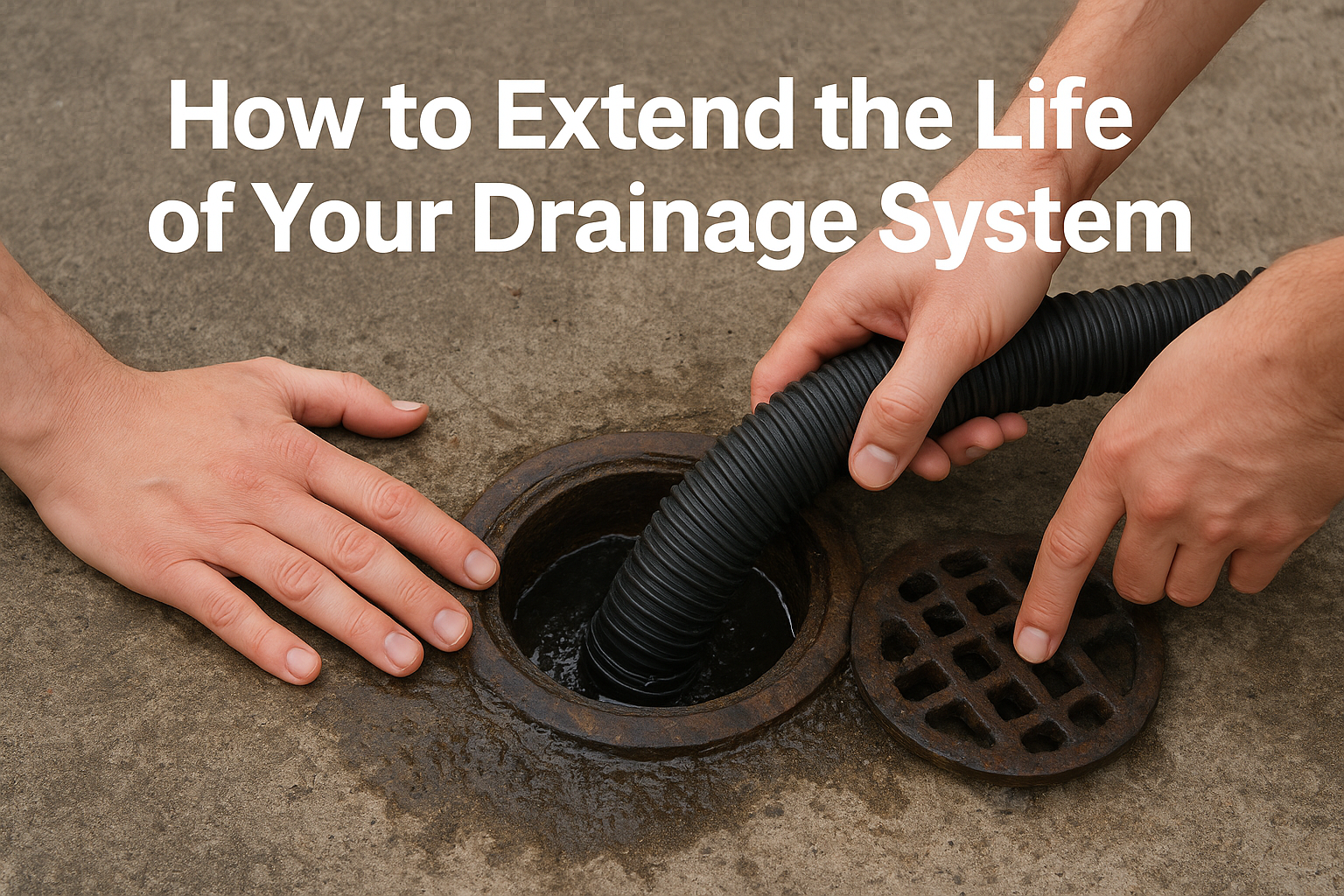
Maintaining your drainage system isn’t just about avoiding blockages; it’s about protecting your property, saving…
Read more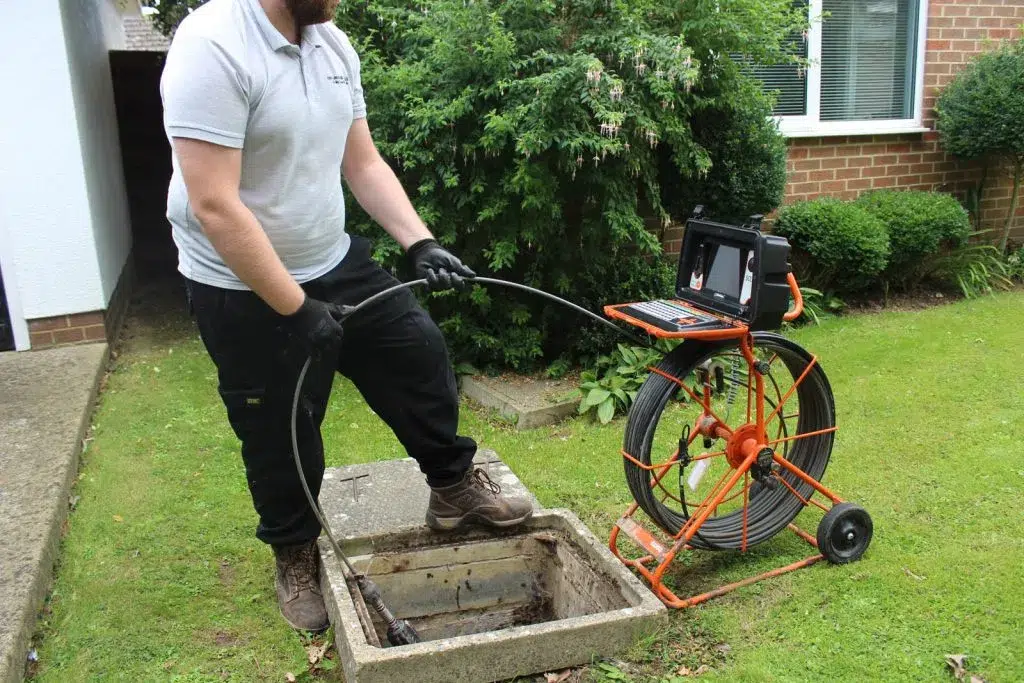
When your drains start acting up, slow-draining sinks, unpleasant smells, or recurring blockages, the real…
Read more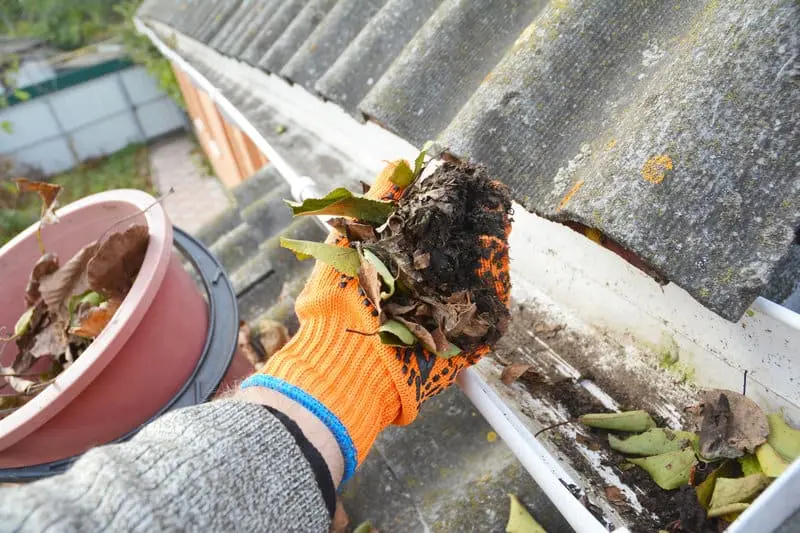
Keeping your gutters clean year-round is one of the most effective ways to protect your…
Read more
When it comes to maintaining a healthy drainage system, most property owners focus on obvious…
Read more