

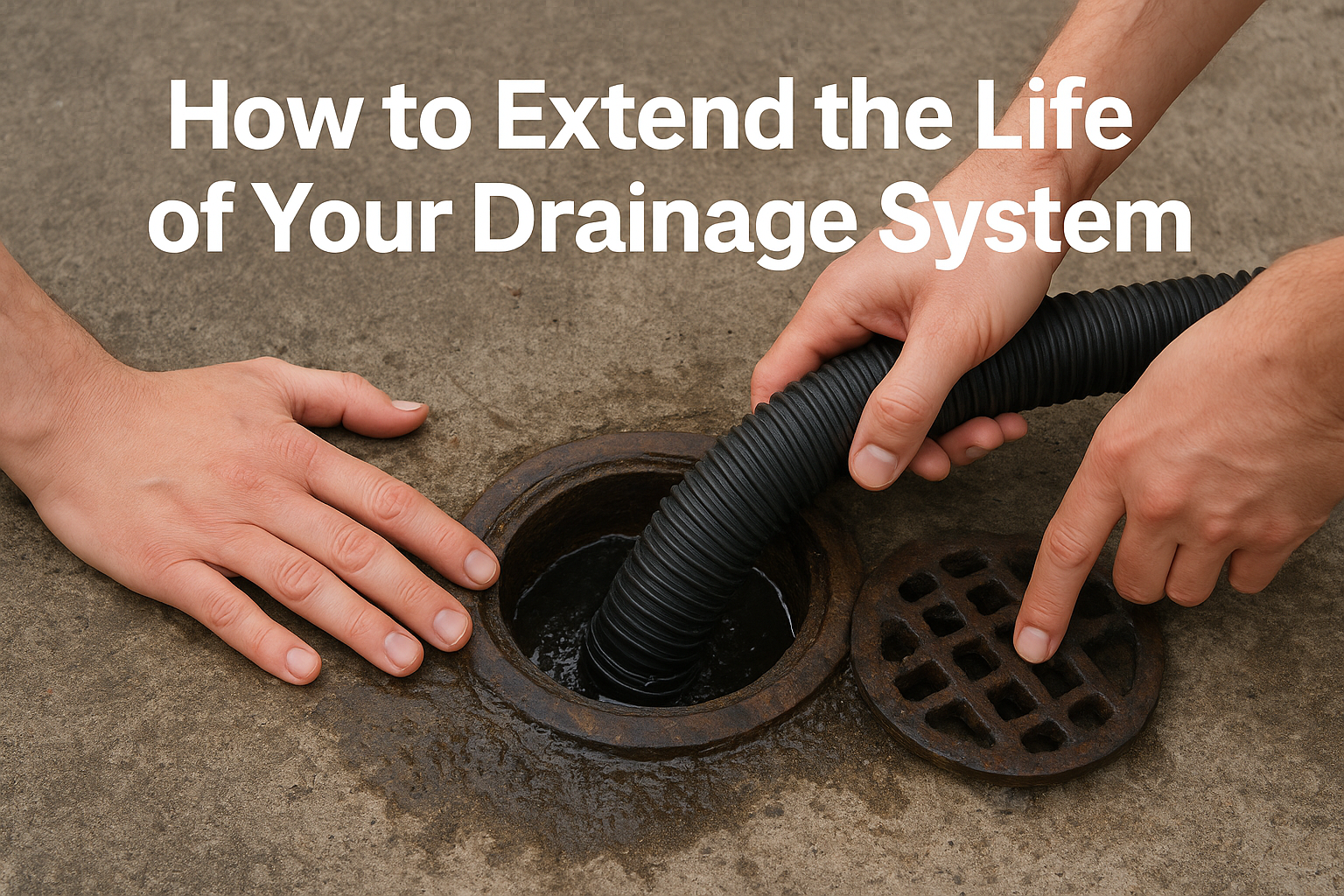
How to Extend the Life of Your Drainage System
Maintaining your drainage system isn’t just about avoiding blockages; it’s about protecting your property, saving…
Read more
24 hr Emergency Callout

Blog
If you’re building a new property, renovating an existing one, or even doing minor DIY work, it’s surprisingly easy for your drainage system to become blocked by cement or concrete. Small amounts can accidentally make their way into your pipes, especially when builders wash off equipment, rinse buckets, or clean tools. Once inside your drains, cement can dry and stick to the sides of your pipes, creating blockages that affect the flow of wastewater, which can lead to foul smells, slow drainage, and long-term pipe damage.
At Coastal Drains, we are experts in unblocking drains and resolving cement-related blockages across the UK. In this guide, we’ll explain how drains become blocked by cement, the most effective ways to clear them, and when it’s time to call a professional. All advice is written for UK homeowners, with practical tips for Sussex properties, where older drainage systems often complicate DIY solutions.
When cement or concrete enters your drain, it sticks to the pipe walls, gradually narrowing the diameter of your pipes. Over time, additional material builds up, especially in corners and bends, creating stubborn blockages.
Blocked pipes not only slow drainage but also make it easier for other debris like fats, oils, soap, hair, and food waste to accumulate, worsening the problem.
Some common scenarios include:
Even minor blockages can escalate into full pipe backups, causing water overflow, unpleasant odours, and potential damage to kitchen and bathroom fixtures. For serious cases, professional intervention is recommended to avoid pipe damage and costly repairs.
Timing is everything when it comes to cement in drains. Wet cement is far easier to clear than dried material. If allowed to set, cement forms a hard coating that is much harder to remove.
Flushing cement down toilets, sinks, or showers in large quantities can worsen the issue. Over time, hardened cement can lead to recurring blockages, increased pressure on pipes, and expensive repairs.
Early action prevents long-term issues such as:
By addressing the problem quickly, you can maintain a safe, hygienic, and functional drainage system in your property.
Understanding how cement gets into drains can help prevent future problems. Common causes include:
Preventing cement from entering your pipes is the most effective way to avoid these issues. Covering drains during construction and disposing of leftover cement responsibly are essential.
Here are the main techniques used to clear cement from drains. These range from simple DIY methods to professional solutions for more stubborn blockages.
High-pressure drain jetting is the most effective method for cleaning cement or concrete from pipes. This method involves using a powerful water jet that travels through bends and corners, washing away debris. It can even remove roots if necessary.
Advantages:
Important: Only trained individuals should operate jetting equipment. If you’re inexperienced, it’s best to hire a professional. Coastal Drains provides expert drain jetting services across Sussex and the South East.
Concrete and cement can be dissolved with acids such as hydrochloric (muriatic) acid. This method softens the cement, allowing it to be flushed out.
Steps:
Safety first: Always wear gloves, goggles, and protective clothing. Ensure your pipes are suitable for acid treatment to avoid damage.
For more advice, contact Coastal Drains for guidance on safe cement removal.
An auger or plumbing snake can physically break up wet cement inside a pipe.
Method:
Combine this with water jetting to remove residual material. Ensure your auger is long enough to reach the blockage. Coastal Drains has the right tools and expertise to handle these situations safely.
In severe cases, dried cement cannot be removed, and the pipe may need replacement. This is usually the case when:
Professional replacement ensures proper installation and prevents further damage. Coastal Drains can arrange pipe replacement if cleaning is no longer feasible.
For minor blockages, sometimes repeated flushing with hot water can soften the cement. Combining this with a plunger or a small hand auger can help push cement through.
Tip: Avoid chemical drain cleaners; they often do not dissolve cement and can damage your pipes.
Preventing blockages is always preferable to fixing them. Here’s how:
Preventative measures reduce the risk of emergency drain blockages and extend the life of your pipes.
While minor blockages can sometimes be cleared at home, cement-related drains often require professional expertise. Coastal Drains provides:
Using professionals ensures drains are thoroughly cleared and reduces the risk of recurring issues. Services include emergency drain unblocking and general drain maintenance.
Call a drainage specialist if you notice:
Ignoring these signs can lead to more costly repairs, water damage, and hygiene issues.
Q: How do I remove cement from a drain pipe?
A: High-pressure jetting, an auger, or careful chemical treatment are the most effective methods. Professionals can safely handle these.
Q: Can chemical cleaners dissolve cement?
A: Most chemical cleaners will not dissolve cement and can damage pipes.
Q: What if cement is stuck in the shower drain?
A: Professional jetting or augering is often required to fully clear the pipe.
Q: How can I prevent future cement blockages?
A: Cover drains during construction, dispose of cement responsibly, and schedule professional drain inspections.
If your drain is blocked by cement or concrete, don’t wait until the problem worsens. Coastal Drains provides expert drain unblocking and maintenance services for all types of blockages in Sussex, including Brighton, Worthing, Crawley, and surrounding areas.
Our team can:
For reliable drainage support, inspections, and emergency services, contact Coastal Drains today.
Maintaining your drainage system isn’t just about avoiding blockages; it’s about protecting your property, saving…
Read more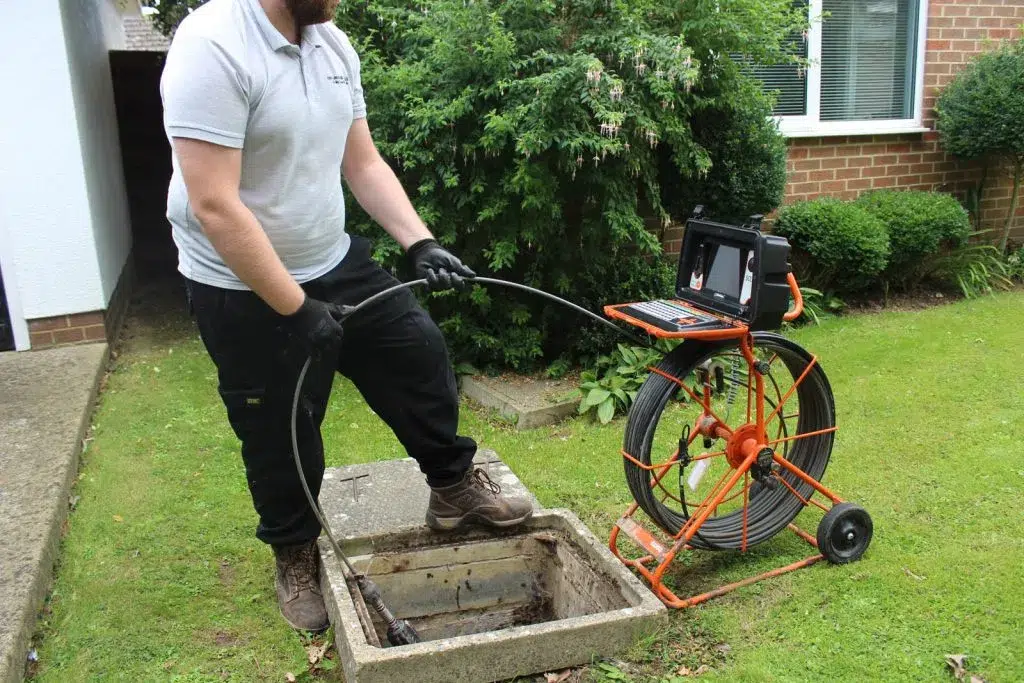
When your drains start acting up, slow-draining sinks, unpleasant smells, or recurring blockages, the real…
Read more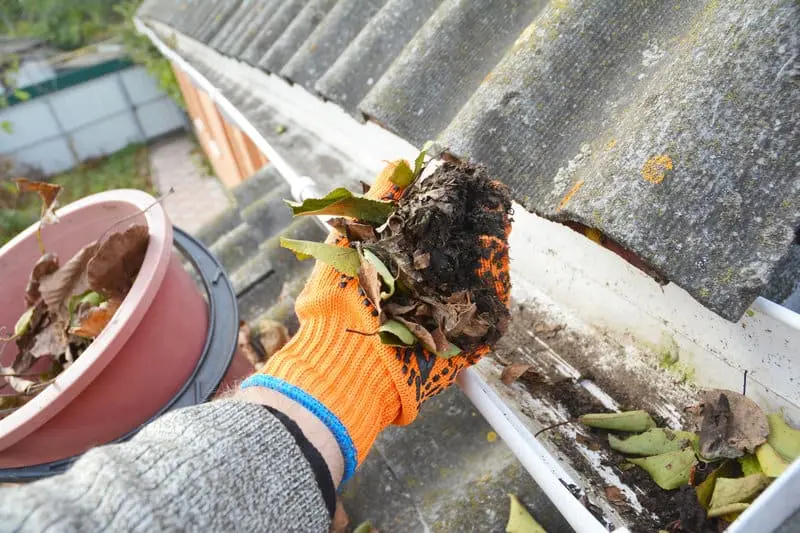
Keeping your gutters clean year-round is one of the most effective ways to protect your…
Read more
When it comes to maintaining a healthy drainage system, most property owners focus on obvious…
Read more