

How to Extend the Life of Your Drainage System
Maintaining your drainage system isn’t just about avoiding blockages; it’s about protecting your property, saving…
Read more
24 hr Emergency Callout

Blog
A leaking drain is one of those problems that many homeowners ignore at first. It may begin as a small drip beneath the sink or a faint damp patch on the ceiling below a bathroom. Over time, however, what seems minor can develop into structural damage, mould growth, unpleasant odours, and costly repairs.
Understanding how to fix a drain leak properly is essential for protecting your property. Whether you are dealing with a simple compression joint under the kitchen sink or a cracked underground pipe in the garden, acting quickly makes all the difference.
At Coastal Drains, we regularly attend properties across Sussex where a small, manageable leak has turned into a much larger issue simply because it was left unresolved. In this guide, we will explain in detail how to fix a leaking drain, how to fix a drain pipe leak correctly, and when professional drain leak repair is the safest option.
This guide follows UK plumbing standards and best practice, using correct terminology and realistic advice rather than quick-fix solutions that rarely last.
A drain leak is not simply an inconvenience. Drainage systems carry wastewater away from your home, and any failure in that system can compromise hygiene, safety, and the structure of the building itself.
Even a slow leak can:
In more serious cases, leaking foul water can create health hazards. If sewage is involved, urgent action may be required.
The earlier you understand how to fix a leaking drain pipe, the easier and less expensive the repair will be.
Before learning how to fix a drain pipe leak, you must understand why leaks occur in the first place.
The most common cause of internal drain leaks is a loose compression joint. Over time, vibration, temperature changes, and general use can cause fittings to shift slightly, allowing water to escape.
Washers and rubber seals degrade naturally. When they lose flexibility, they can no longer maintain a watertight seal.
Plastic waste pipes can crack due to impact, overtightening or age. Even a hairline fracture can cause persistent dripping.
In older properties, metal pipework may corrode internally and externally, leading to pinhole leaks.
Tree roots, ground movement, or poor installation can cause underground drain leaks. These are often harder to detect without specialist equipment such as CCTV surveys.
If you suspect a hidden issue beneath floors or outside your property, professional drain inspection services can identify the exact location and cause before unnecessary excavation begins.
One of the most common scenarios involves learning how to fix a leaking drain under the kitchen or bathroom sink.
Although waste pipes do not carry pressurised water in the same way as supply pipes, it is still essential to stop water flow before beginning any repair.
Run the tap briefly to empty any standing water and place a bucket beneath the trap.
Dry the pipework thoroughly with a cloth. Once dry, run a small amount of water through the system and observe. The exact point where moisture appears is your problem area.
If the leak is coming from the trap or joint, it is often straightforward to resolve.
Using a suitable wrench, gently tighten the compression fitting. Do not overtighten. Excessive force can crack plastic threads and create a larger problem.
If tightening resolves the issue, monitor the joint for a few days to ensure the seal remains intact.
If tightening does not stop the leak, dismantle the joint and inspect the rubber washer. Replace it if worn or distorted. Clean both mating surfaces thoroughly before reassembly.
When learning how to fix a drain leak, cleanliness is critical. Dirt or debris between joints can prevent a watertight seal.
If you discover a crack in the pipe itself, the repair approach changes.
Temporary solutions such as waterproof repair tape or epoxy putty may provide a short-term fix, but they are not permanent. If the crack is visible and accessible, replacing the damaged section is the correct method.
Cut out the damaged portion and install a new length of pipe using appropriate couplings. Ensure all cuts are clean and square.
If the damaged pipe is underground, the situation becomes more complex. Modern techniques, such as no-excavation drain repair, can sometimes resolve structural issues without digging up patios or driveways. This method uses lining systems to reinforce the internal pipe wall.
Sometimes what appears to be a drain leak is actually a supply pipe problem or even a burst water main.
If water continues to flow even when no fixtures are in use, you may be dealing with a pressurised system fault. In these situations, professional water main repair services are required rather than simple drain leak repair.
Similarly, if water is pooling externally and you are unsure of the source, specialist underground water leak detection can pinpoint hidden pipe failures without unnecessary disruption.
Correct diagnosis is essential before deciding how to fix a leaking drain pipe.
Learning how to fix a drain leak becomes significantly more complicated when the pipe is buried.
Signs of underground drain leaks include:
In these cases, a CCTV survey is typically required. Professional engineers insert a camera into the drain to assess its condition internally.
If you are based locally, a Brighton drain survey can identify cracked joints, displaced sections, and root intrusion.
Following diagnosis, repairs may involve lining, patch repairs or full excavation depending on severity.
Blocked drains can contribute to leaks by increasing internal pressure. When wastewater cannot flow freely, it backs up against joints and weak points.
If your leaking drain is accompanied by slow drainage or gurgling sounds, you may need professional clearance first. Services such as drain jetting use high-pressure water to remove obstructions safely and thoroughly.
In emergencies involving overflow or sewage backing up into the property, an urgent emergency drain service may be necessary to prevent contamination and further structural damage.
Clearing the blockage often reduces stress on pipework and prevents recurring leaks.
Many Sussex homes built between the 1950s and 1970s contain pitch fibre pipework. This material deteriorates internally over time, blistering and deforming.
If you are unsure whether your property contains this type of pipe, specialist advice on pitch fibre drains and pipes can confirm the condition and recommend appropriate solutions.
In many cases, deformation leads to internal restrictions, increased pressure, and eventual leaks. Early intervention prevents full collapse.
Homes in rural areas often rely on septic tanks or private sewage systems. A drain leak in these properties may involve additional components such as soakaways or treatment plants.
Understanding how to fix a leaking drain pipe in these systems requires knowledge of how wastewater is processed. Our guide on septic tank drainage and how it works explains the full process in detail.
If a septic system is involved, repairs may require specialist equipment and regulatory compliance.
The cost of drain leak repair depends on several factors:
Minor internal repairs may cost relatively little. Underground excavation beneath driveways or extensions is significantly more complex.
Prompt action reduces overall expense. Ignoring a small leak rarely saves money in the long term.
Knowing how to fix a drain leak is important, but prevention is always preferable.
Avoid pouring fats and oils down sinks. Dispose of wipes and sanitary products in bins rather than toilets. Arrange periodic inspections if your property is older.
If you are purchasing a property, a CCTV survey can identify hidden issues before they become your responsibility.
Regular maintenance protects both your drainage system and your property value.
While many homeowners can manage minor internal repairs, professional assistance is essential when:
Experienced drain contractors have the tools, training, and insurance required to carry out safe and compliant repairs.
Attempting major excavation or lining without expertise can worsen the problem.
Understanding how to fix a drain leak empowers you to act quickly when problems arise. Simple joint issues under sinks can often be resolved with careful tightening or washer replacement. However, deeper structural faults require professional assessment and specialist repair techniques.
Whether you are dealing with a minor drip or investigating how to fix a leaking drain pipe beneath your garden, early diagnosis is key. Acting promptly protects your home from damp, structural damage, and unnecessary expense.
If you are unsure about the severity of your drainage issue, professional guidance ensures the correct solution is applied the first time. A small leak today can become a major repair tomorrow. Taking decisive action keeps your drainage system functioning efficiently and your property safe.
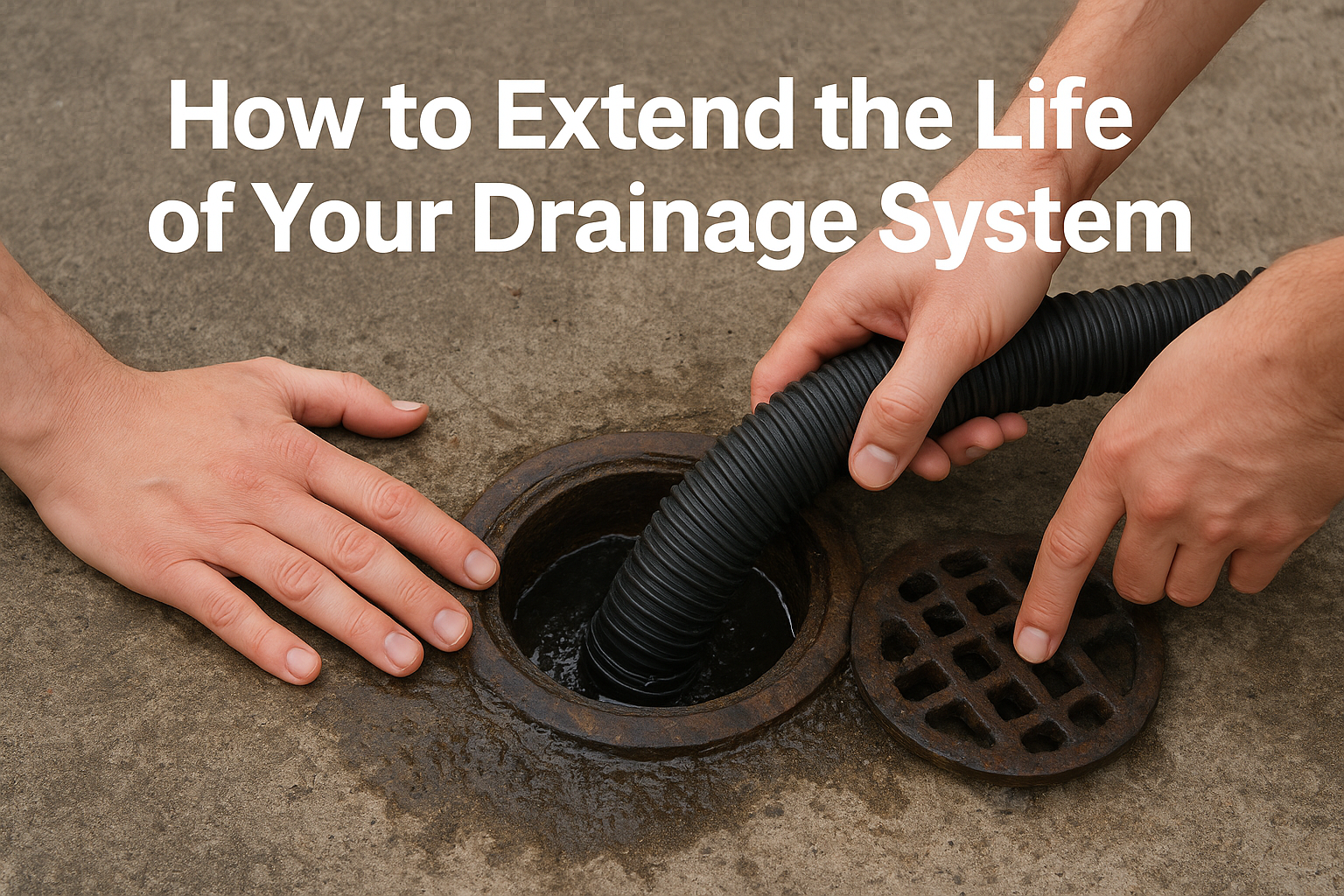
Maintaining your drainage system isn’t just about avoiding blockages; it’s about protecting your property, saving…
Read more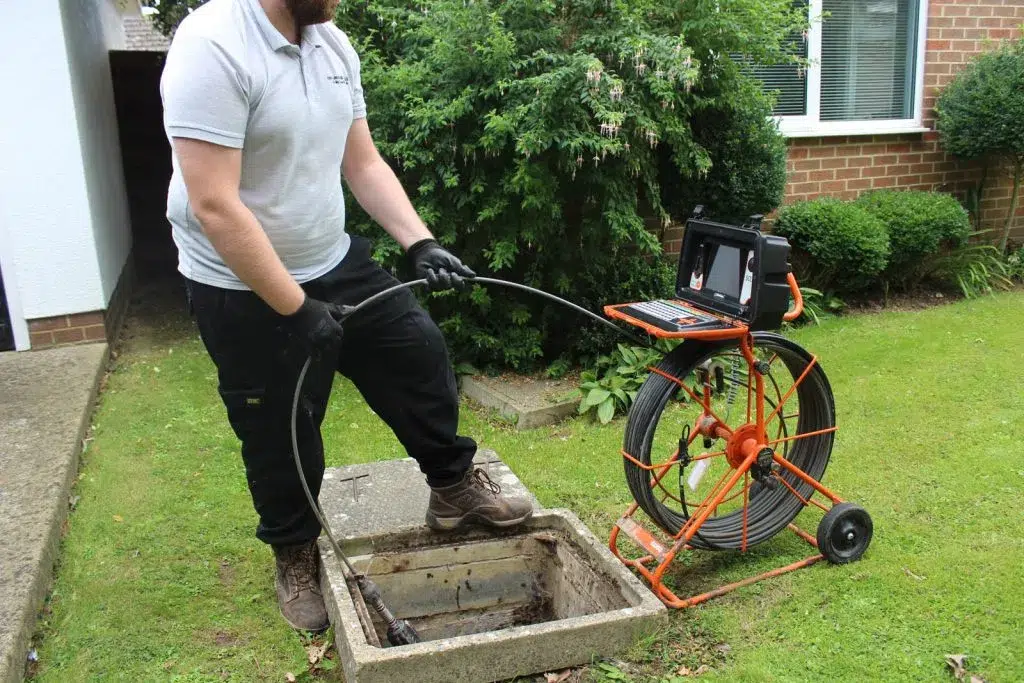
When your drains start acting up, slow-draining sinks, unpleasant smells, or recurring blockages, the real…
Read more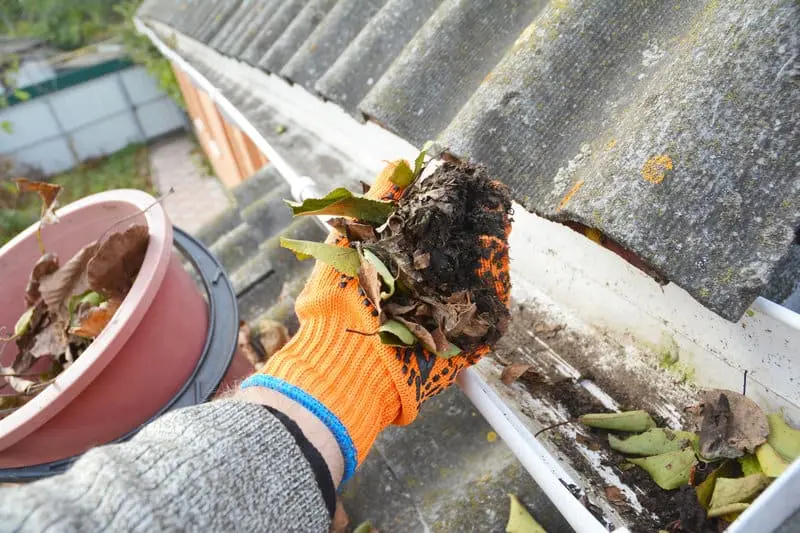
Keeping your gutters clean year-round is one of the most effective ways to protect your…
Read more
When it comes to maintaining a healthy drainage system, most property owners focus on obvious…
Read more